China Top 10 Prosthesis Fixation Methods Suppliers
Choosing among the China Top 10 Prosthesis Fixation Methods Suppliers requires more than comparing prices or polished catalogues. Prosthesis fixation methods influence stability, bone integration, surgical workflow, and long-term patient outcomes. They also depend on anatomy, implant design, loading conditions, and the surgeon’s experience.
Professor Per-Ingvar Brånemark, a pioneer in osseointegration, famously said, “If you don’t know the biology, you don’t know the technology.” This principle remains highly relevant. Cemented fixation may offer immediate stability in selected cases, while cementless systems depend on accurate sizing, surface design, and healthy bone response. Hybrid approaches can be useful, but they are not automatically better.
Details matter.
This overview examines ten Chinese suppliers through practical and professional criteria. These include material consistency, coating technology, machining accuracy, sterilization controls, traceability, clinical documentation, and regulatory communication. Manufacturing capacity is important, but it cannot replace reliable evidence. A supplier may present advanced titanium alloys or porous surfaces, yet unanswered questions can remain about fatigue testing, revision performance, and long-term follow-up.
The comparison is not a promise that one company suits every hospital or patient. No supplier is perfect. Even experienced buyers can overlook small issues, such as packaging damage, unclear tolerances, or delayed technical support. Therefore, readers should verify certifications, inspection reports, product registration, and clinical data before making procurement decisions. The strongest supplier is usually the one that combines engineering discipline with transparent communication and consistent quality.
Cemented vs. Cementless Fixation: China’s 2023 Arthroplasty Evidence
China Top 10 Prosthesis Fixation Methods Suppliers
Cemented vs. Cementless Fixation: China’s 2023 Arthroplasty Evidence
China’s 2023 arthroplasty evidence shows no universal winner between cemented and cementless fixation. Hospital studies often reported strong early stability with cementless components in younger patients. Cemented fixation remained valuable for older patients with fragile or osteoporotic bone. The choice depended on anatomy, activity, surgical technique, and postoperative care.
The evidence is useful, but not clean. Many studies were retrospective and came from single hospitals. Follow-up periods also varied, making long-term comparisons difficult. Some reports emphasized radiographic stability, while others focused on revision, pain, or walking recovery. These outcomes are related, but they are not interchangeable. That limitation matters.
For purchasers assessing China’s leading prosthesis fixation suppliers, technical documents should show more than product dimensions. Ask for fixation principles, coating information, sterilization records, mechanical testing, and clinical follow-up. A reliable supplier should explain whether its system supports cemented, cementless, or hybrid procedures. It should also provide traceable quality records and surgeon training materials.
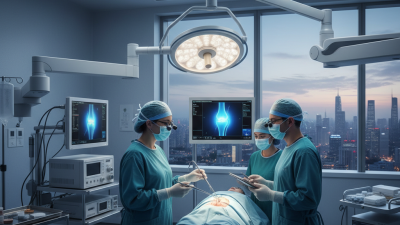
A practical operating-room detail is often overlooked. Cemented surgery requires careful mixing, pressurization, and timing. Cementless implantation demands accurate bone preparation and stable initial seating. Small errors can affect migration and recovery. Supplier comparisons should therefore include instrument design, compatibility, and intraoperative support.
The best decision is patient-specific. Evidence guides judgment, but it does not replace it.
Materials, Designs, and Indications in China’s Prosthesis Fixation Systems
China’s top prosthesis fixation suppliers offer several designs for different surgical demands.
Cemented systems use bone cement to fill small gaps around the implant. They can provide immediate stability, especially in patients with weaker bone quality. Cementless systems depend on press-fit contact and later bone ingrowth. Porous titanium surfaces and hydroxyapatite coatings may support this process.
The fixation choice depends on anatomy, age, activity, and bone density.
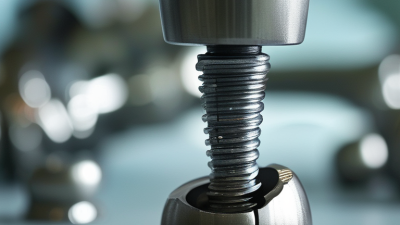
A femoral stem with a tapered geometry can improve axial stability. A threaded acetabular cup may add early rotational control. Screws can support cup fixation when the acetabular wall is thin or irregular. Hybrid designs combine cemented and cementless components. They may suit mixed clinical conditions.
Material testing remains essential.
Suppliers should verify fatigue strength, coating adhesion, corrosion resistance, and dimensional accuracy. Manufacturing teams also need traceable inspection records. In practice, a polished stem may behave differently from a matte, porous stem. Surgical technique matters just as much. Even a well-designed implant can fail with poor preparation or unsuitable alignment. No fixation method is universally superior. A supplier comparison can also mislead when it ignores patient selection, instrument compatibility, and long-term clinical evidence. Surgeons and hospitals should review these details before procurement.
Registry Data: Revision Rates and Clinical Outcomes by Fixation Method
China Top 10 Prosthesis Fixation Methods Suppliers
Registry Data: Revision Rates and Clinical Outcomes by Fixation Method
Fixation choice strongly influences long-term implant performance, but registry data rarely supports one universal winner. The Australian Orthopaedic Association National Joint Replacement Registry Annual Report 2024 found that ten-year revision risk for primary total hip replacement remained close to 6% overall. Cemented, uncemented, and hybrid constructs showed different results across age groups, diagnoses, and implant designs. These differences matter when evaluating Chinese suppliers and their fixation technologies.
The National Joint Registry 21st Annual Report also reported meaningful variation in revision outcomes by fixation method. Cemented fixation generally performed reliably in older patients, especially where bone quality was limited. Uncemented fixation often suited younger, more active patients, but early femoral fracture risk required attention. Hybrid fixation delivered competitive survivorship in several registry comparisons. Small numbers can mislead.
Clinical context changes everything.
Registry reports cannot fully separate fixation quality from surgeon experience, patient activity, surgical approach, or implant geometry. A 2024 Swedish Hip Arthroplasty Register report similarly emphasized patient age and diagnosis when interpreting survival data. Suppliers should therefore provide audited survivorship figures, revision definitions, follow-up duration, and subgroup analysis. A low revision percentage without these details is incomplete evidence. My practical concern is simple: purchasing teams may compare headline numbers, while surgeons examine radiographs, bone preparation, and early migration. Both views are necessary.
Supplier Comparison: Product Range, Patents, Pricing, and Hospital Coverage
China Top 10 Prosthesis Fixation Methods Suppliers
A reliable comparison begins with product range, not a polished catalogue. Leading suppliers may offer bone cement, locking plates, screws, intramedullary systems, and external fixators. Review material options, sterilization records, instrument compatibility, and revision support. Titanium alloys, stainless steel, and polymer components serve different surgical needs. A broad range can help hospitals standardize procurement. It can also hide uneven quality between product lines.
Patent numbers require careful reading. Check whether patents are granted, active, and relevant to fixation design. A patent does not automatically prove clinical value. Pricing should include implants, trial instruments, sterile packaging, training, freight, and after-sales service. Low quotations may exclude essential instruments or replacement parts. Mid-range offers often balance cost and documentation, but this is not universal. I would avoid ranking suppliers by price alone. My first comparison would have missed the cost of surgeon training.
Hospital coverage needs measurable evidence. Ask for provincial tender records, approved hospital lists, local service teams, and average delivery times. A supplier serving many hospitals may still provide weak support outside major cities. Request batch traceability and complaint-response timelines. Check whether technical staff can arrive within 24 to 48 hours when surgery schedules change. Coverage is more than a map. It is dependable support beside the operating room.