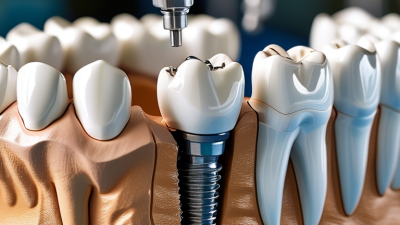
What is the Best Hip Implant Solutions for Joint Replacement?
In the world of joint replacement, finding the best hip implant solutions is crucial for patient recovery. Dr. Emily Carter, a renowned orthopedic surgeon, once stated, “The right hip implant can change lives, but not all solutions fit every patient.” This highlights the need for personalized approaches in hip implant technology.
With advancements in materials and design, many options are available today. Traditional metal-on-polyethylene implants are common. However, newer ceramic and metal combinations offer increased durability. Patients and surgeons must navigate these options to find the best match for each individual.
Yet, challenges remain in choosing the right solution. Factors like patient age, activity level, and bone quality play critical roles. Sometimes, the perfect implant isn’t available, necessitating further research and discussions. The responsibility lies with both patients and healthcare providers to ensure informed decisions are made.
Understanding Hip Implants: Types and Their Applications
Hip implants play a crucial role in joint replacement surgeries, providing relief to those suffering from hip conditions. There are several types of hip implants, each designed for different needs. The most common types are metal-on-polyethylene, ceramic-on-ceramic, and metal-on-metal. Each option holds advantages and potential drawbacks.
Metal-on-polyethylene implants are often used due to their durability. They provide a good wear rate and solid performance. However, they may wear down over time, leading to possible complications. Ceramic-on-ceramic implants offer a lower wear rate and are less prone to friction. Yet, they can be more brittle and prone to fracture in specific scenarios.
Metal-on-metal implants were once popular but have faced criticism for potential health risks. They can release metal ions into the body, leading to inflammation or other issues. This highlights the importance of thorough discussions with healthcare professionals. Choosing the right implant involves considering factors like lifestyle, age, and overall health. Each option requires careful thought and reflection, emphasizing the suitability of each type for individual needs.
Hip Implant Solutions for Joint Replacement
Key Factors Influencing Hip Implant Selection
Selecting the right hip implant for joint replacement is crucial. Several factors influence this choice. Understanding these can lead to better outcomes for patients.
One key factor is the patient's age and activity level. Younger, more active individuals may benefit from implants designed for durability. In contrast, older patients with lower activity may prefer options that prioritize comfort. The patient's weight also plays a role. Heavier individuals may require stronger materials to support their lifestyle.
Surgeons consider bone quality next. Poor bone density can complicate the implantation process. A thorough evaluation of bone health is vital. Additionally, the surgeon's experience and familiarity with specific implant technologies can shape the decision. Patients should engage in discussions about their preferences and lifestyle. In some cases, a more innovative implant might not be the best fit for a low-impact lifestyle. Each choice has pros and cons that should be carefully weighed.
Comparative Analysis of Popular Hip Implant Materials
When it comes to hip implant materials, various options are available, each with its own advantages and drawbacks. The most common materials used include titanium, ceramic, and polyethylene.
Titanium offers excellent strength and corrosion resistance. However, some patients may experience allergic reactions, which can complicate recovery.
Ceramic implants, known for their smooth surfaces, reduce friction. They often last longer than metal counterparts. Nonetheless, they can be more brittle, which raises concerns about fracture during the healing process.
Polyethylene is frequently combined with other materials to provide optimal durability, yet it may wear over time, resulting in debris that leads to inflammation.
Selecting the best material requires a balance between longevity and safety. Surgeons often weigh the specific needs of the patient, their activity level, and any prior medical history before making a recommendation. Each choice comes with the need for careful consideration and an understanding of potential risks. This decision-making process remains a crucial part of improving patient outcomes in hip replacement surgery.
Examining the Longevity and Performance of Different Hip Implants
When considering hip implants for joint replacement, one key aspect is their longevity and performance. Research shows that modern hip implants can last between 15 to 30 years, depending on various factors. The choice of materials significantly influences implant durability. For instance, titanium and ceramic materials are often noted for their strength and resistance to wear.
Clinical studies indicate that around 90% of patients experience significant pain relief and improved mobility after surgery. However, around 10% may face complications or implant failure within ten years. This highlights the need for thorough pre-operative assessments. It's essential for orthopedic surgeons to match the implant type with the patient’s lifestyle and age.
Additionally, post-operative care and rehabilitation play crucial roles in implant performance. Patients often require physical therapy to strengthen surrounding muscles. Data from hospitals reveal that adherence to rehabilitation protocols can reduce the incidence of complications. Despite advances in technology, the journey toward fully understanding long-term outcomes remains ongoing. Insights from ongoing research will continue to refine best practices.
Recent Innovations in Hip Implant Technology and Techniques
Recent advancements in hip implant technology have transformed joint replacement procedures. Innovations such as 3D printing and custom implants have significantly enhanced the fit and comfort for patients.
Surgeons are now able to design implants tailored to individual anatomy. This approach not only improves outcomes but also reduces recovery times.
Wearable technology has emerged as another powerful tool in orthopedic care. Devices that monitor motion and stability provide valuable data during rehabilitation.
Surgeons and patients can use this information to adapt recovery plans effectively. However, reliance on technology can have its drawbacks.
Some devices may not account for unique human factors, leading to inaccurate assessments.
Minimally invasive techniques are also making waves in hip replacements. These methods often involve smaller incisions and less tissue damage.
The result is less pain and faster recovery for many patients. Yet, these techniques may not be for everyone.
Certain conditions might still require traditional approaches. This complexity underscores the importance of thorough pre-operative evaluations.
The future of hip implants looks promising, but it demands continuous refinement and patient-centered approaches.