How to Choose the Best Joint Arthroplasty Options for You?
Choosing the best joint arthroplasty options can be overwhelming. Patients often feel lost among the various choices available. Joint replacements are significant decisions that impact mobility and quality of life. Understanding the different types of procedures is essential.
Patients must consider their specific needs and health conditions. Some options may be more suitable for younger, active individuals, while others cater to older adults. Each joint arthroplasty option has unique benefits and risks. Consulting with a specialist can provide valuable insights. However, it is crucial to ask questions and express concerns.
Informed decision-making requires a balance between expert advice and personal preferences. Not all options fit every person. Patients might find themselves reflecting on their daily activities and lifestyle. Gaining clarity on joint arthroplasty options empowers patients to choose wisely.
Understanding Joint Arthroplasty: Overview and Importance
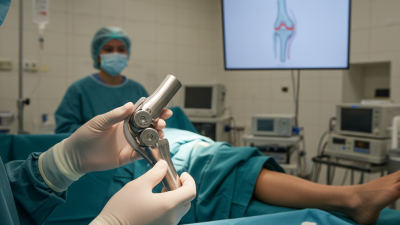
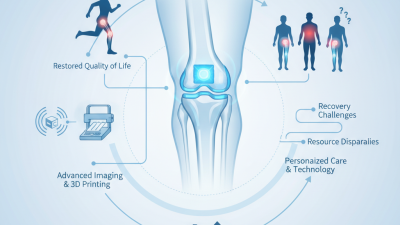
Joint arthroplasty is a surgical procedure aimed at relieving pain and restoring function in damaged joints. It can significantly improve quality of life for patients suffering from conditions like arthritis. Understanding the importance of joint arthroplasty emphasizes how it can enhance mobility and reduce discomfort. Many patients experience a range of benefits, such as increased strength and improved daily function.
However, not all patients will have the same experience. Some may face complications during recovery. Expectations must be managed realistically, as outcomes can vary based on individual health and surgical technique. Consulting with a healthcare professional is essential. They can provide insights on potential risks and benefits. It is crucial to assess one’s overall health before proceeding.
Education about the procedure provides peace of mind. Many patients feel overwhelmed when considering surgery. Discussing concerns with medical practitioners can lead to informed decisions. Gathering stories from others who have gone through joint arthroplasty can also help. Each journey is unique, and reflecting on both the achievements and challenges is part of the healing process.
Joint Arthroplasty Options: Success Rates by Age Group
The chart above displays the success rates of joint arthroplasty across different age groups. As observed, younger patients tend to have higher success rates compared to older populations.
Types of Joint Arthroplasty Procedures: A Comparative Analysis
When considering joint arthroplasty, it's crucial to understand the different types available. Total joint replacement involves replacing the entire joint surface. This is common in hips and knees. Partial joint replacement is another option. It only replaces a portion of the joint. Both methods aim to relieve pain and improve function.
Each procedure has its own advantages and limitations. Total replacements usually provide significant pain relief and mobility. However, they also come with longer recovery times. On the other hand, partial replacements may allow a quicker return to activity. Still, they may not be suitable for everyone. Your specific condition will determine the best option.
Surgeons often evaluate individual factors before deciding on the procedure. Age, activity level, and overall health play important roles. Imaging tests help assess joint damage. Keeping an open dialogue with your surgeon can be beneficial. This ensures that expectations align with reality. Choosing the right arthroplasty is a personal journey. It's essential to explore all avenues and address any concerns you may have.
Factors to Consider When Choosing Arthroplasty Options
Choosing the right joint arthroplasty option involves various critical factors. One primary consideration is your age and activity level. Younger patients may opt for more durable options, while older individuals might prioritize ease of recovery. Consulting with an orthopedic specialist can provide valuable insights tailored to your lifestyle.
Another essential factor is the extent of joint damage. This influences the type of materials and surgical techniques used. If you have specific demands from your joints, these must be communicated clearly. Understanding the pros and cons of each type helps make an informed choice.
Additionally, it's vital to think about recovery time and rehabilitation. Some procedures require a lengthy recovery, impacting your daily life. Discussions with medical professionals can illuminate these challenges. Balancing benefits against potential complications is necessary. Reflecting on these aspects ensures you select the best option for your unique situation.
Evaluating Risks and Benefits of Joint Replacement Surgery
Joint replacement surgery can significantly improve your quality of life. However, it's essential to evaluate the associated risks and benefits before making a decision. Many people experience pain relief and enhanced mobility post-surgery. But there are potential complications, including infection or blood clots, that can occur.
Understanding your specific condition is crucial. For example, arthritis can severely limit mobility, leading many to consider surgery. It's important to discuss options with a healthcare professional who can provide personalized advice based on your medical history and lifestyle. They can help weigh the benefits, like regaining independence, against risks.
Not every candidate is ideal for surgery. Some might face greater risks due to underlying health issues. Reflecting on these factors is essential. Having realistic expectations is also important. Recovery can take time and may involve rehabilitation. While surgery can offer relief, it's not a guaranteed solution for everyone.
Post-Operative Care and Rehabilitation After Joint Arthroplasty
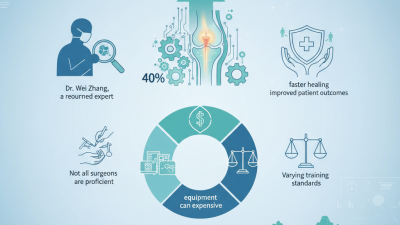
Post-operative care and rehabilitation are crucial after joint arthroplasty. Studies indicate that up to 40% of patients experience complications during recovery. This may include infection or limited range of motion. Effective management of these issues starts from the moment you leave the operating room. Encouraging movement can significantly reduce complications, as immobility can lead to blood clots.
Rehabilitation typically begins with physical therapy within 24 to 48 hours post-surgery. The goal is to regain strength and flexibility while minimizing pain. According to the American Academy of Orthopaedic Surgeons, patients should aim for at least 150 minutes of moderate aerobic activity per week, tailored to their individual capacity. Regular follow-ups with healthcare providers are also vital. These appointments allow for adjustments in rehabilitation plans and help to address any concerns that may arise.
Recovery is not linear. Many patients face setbacks such as swelling or fatigue, which can be frustrating. Adaptability in rehabilitation goals is important. It's essential to maintain open communication with your healthcare team. They are there to guide you through both the successes and challenges of your recovery process. A holistic approach, considering physical, emotional, and psychological aspects, often yields better results.