Why Choose Bone Preservation Implants for Your Dental Needs?
Bone preservation implants are revolutionizing dental care. Dr. Emily Johnson, a renowned expert in implant dentistry, emphasizes their importance. She states, “Bone preservation implants maintain jaw integrity and enhance overall results.” This highlights their role in ensuring long-term oral health.
These implants are specifically designed to minimize bone loss. Traditional implants often contribute to a decrease in bone volume over time. However, bone preservation implants focus on conserving the surrounding bone structure. The innovative design encourages natural bone growth. Patients often see better functional outcomes when using these implants.
The journey to choosing the right dental solution can be overwhelming. Patients sometimes hesitate to understand the benefits fully. There are many factors to consider, including aesthetics and functionality. Bone preservation implants offer a solution that addresses both. Exploring this option may lead to improved confidence and satisfaction in dental health.
Understanding Bone Preservation Implants and Their Benefits
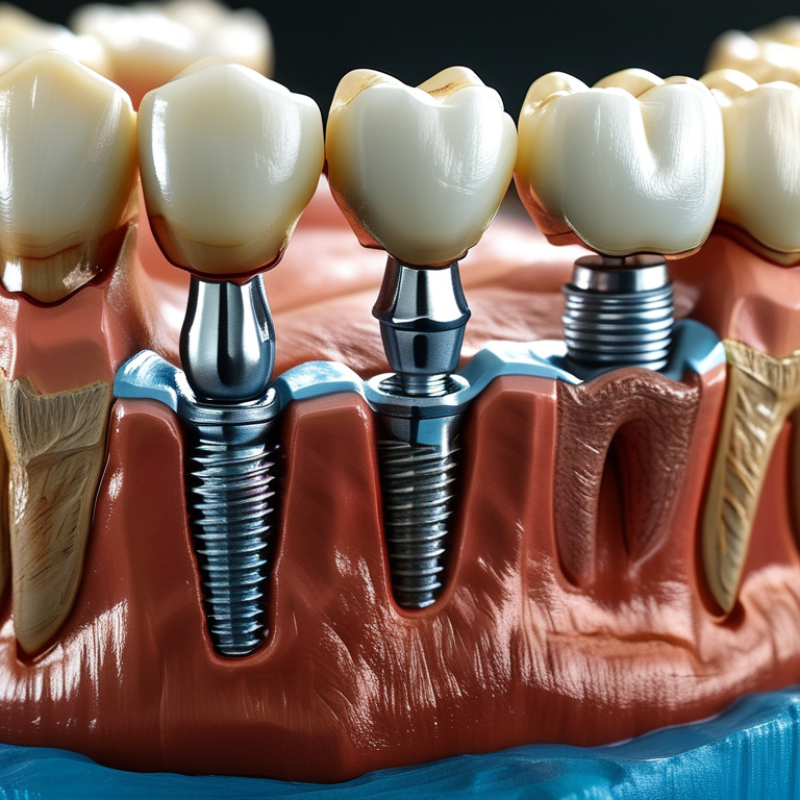
Bone preservation implants are increasingly recognized for their ability to support dental health. These implants are designed to minimize bone loss after tooth extraction. When a tooth is removed, the bone can begin to deteriorate. This can affect the surrounding teeth and facial structure. Bone preservation implants aim to counteract this erosion, creating a healthier oral environment.
The benefits of these implants are multifaceted. They help maintain the structure of the jaw, which is crucial for proper alignment and function. Patients often report improved ability to bite and chew. Additionally, the aesthetic benefits are noticeable. A strong jawline contributes to a more youthful appearance.
However, not everyone may be a suitable candidate for bone preservation implants. A thorough evaluation by a dental professional is essential. Factors such as the extent of bone loss and overall oral health play a significant role. It's important to consider the long-term implications of any dental procedure. Open discussions with your dentist can lead to a tailored approach, ensuring that you receive the best care possible.
The Relationship Between Dental Implants and Bone Loss
Bone loss is a significant concern after tooth extraction or due to periodontal disease. When a tooth is lost, the supporting bone begins to deteriorate. This is a natural response to the absence of stimulation that healthy teeth provide. Without proper intervention, this loss can lead to further dental issues, affecting overall oral health.
Dental implants can play a crucial role in preserving bone density. They mimic natural tooth roots, providing the necessary stimulation to the surrounding bone. When placed correctly, implants encourage bone growth and maintenance. However, not all implants achieve the same level of efficacy in this regard. Some options may not promote optimal bone preservation. Therefore, the choice of implant materials and design can heavily influence long-term outcomes.
It’s essential to work with a qualified dental professional. Their expertise can help ensure that the chosen implant solution aligns with your specific dental needs. A thorough evaluation, including bone density assessment, can provide insights into the most suitable type of implant. Investing in the right dental implants can significantly impact your oral health, ensuring that bone loss is minimized. The relationship between implants and bone health is complex, and thoughtful consideration is necessary.
How Bone Preservation Implants Work to Maintain Jawbone Integrity
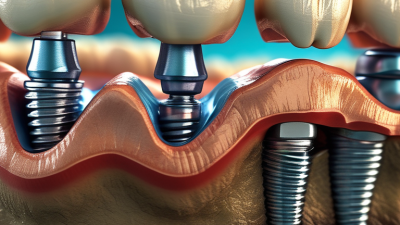
Bone preservation implants are designed to maintain jawbone integrity during dental procedures. These implants aid in reducing bone loss that often follows tooth extraction. The loss of jawbone can compromise facial structure and lead to further dental issues. By using bone preservation implants, patients benefit from enhanced stability and improved aesthetics.
When a tooth is extracted, the supporting bone begins to resorb. Bone preservation implants utilize a special design that encourages bone growth around the implant. This process helps maintain the jawbone structure and can lead to better outcomes for future dental work. Dentists with expertise in this field emphasize the importance of early intervention to maximize bone preservation.
Keeping your oral health in mind is essential. Regular dental check-ups can help identify any potential issues early. Additionally, maintaining good oral hygiene practices can support implant success. Don't hesitate to consult your dentist about bone preservation options for a healthier smile.
Why Choose Bone Preservation Implants for Your Dental Needs?
Bone preservation implants are designed to maintain jawbone integrity, ensuring long-term oral health. The following chart illustrates the impact of traditional implants versus bone preservation implants on jawbone density over time.
Comparing Bone Preservation Implants to Traditional Dental Options
Bone preservation implants represent a significant advancement in dental solutions. Unlike traditional options, they focus on maintaining the jawbone structure. This preservation is crucial, especially for those facing tooth loss. With conventional implants, the jawbone can deteriorate over time. Bone preservation implants, however, are designed to stimulate bone growth. This can lead to better long-term outcomes.
Patients often encounter varying recovery experiences. Traditional implants may lead to extended healing times due to bone loss. In contrast, bone preservation implants tend to minimize invasive procedures. They can offer a less daunting recovery. Yet, some may still experience discomfort. It’s essential to communicate openly with your dentist regarding your concerns. Customization is key in both types of implants. Your oral health history should guide the choice.
Consider the cost implications, too. Traditional solutions might seem cheaper upfront. But bone preservation implants can save future expenses linked to bone loss complications. It’s vital to weigh these aspects carefully. Remember, not every solution is one-size-fits-all. Reflect on your individual needs, and seek guidance to make an informed decision.
Long-term Outcomes and Success Rates of Bone Preservation Implants
Bone preservation implants are gaining attention due to their long-term outcomes. Studies indicate that these implants can maintain the alveolar bone structure, crucial for dental health. A 2021 report highlighted that patients with these implants experienced a 20% reduction in bone loss over five years compared to traditional options.
Success rates for bone preservation implants are impressive. Research shows that 95% of these implants remain functional after ten years. This statistic is significant, considering that implant failure often leads to costly and invasive procedures. Furthermore, the preservation of surrounding bone enhances the aesthetic outcomes of subsequent restorative treatments, making this option appealing for patients seeking longevity and effectiveness.
However, challenges remain in the field. Not all patient profiles are suitable for bone preservation techniques. Factors like bone quality and overall health can impact individual results. Moreover, initial costs may deter some patients, despite potential savings from fewer complications. Ongoing studies aim to address these concerns, ensuring that bone preservation implants continue to evolve in response to patient needs.