Top 10 Biocompatible Implant Materials in China for Medical Applications
In the rapidly evolving field of medical technology, the choice of biocompatible implant materials is critical. Dr. Li Wei, a leading expert in biomaterials, emphasizes, “The right materials can transform the healing process.” In China, advancements in biocompatible implant materials have made significant strides, impacting patient outcomes positively.
Biocompatible implant materials must interact safely with the human body. This interaction can influence healing and longevity. For instance, titanium and its alloys are widely recognized for their excellent biocompatibility and strength. However, challenges remain, like the potential for allergic reactions and long-term integration issues.
The search for ideal biocompatible materials continues. Researchers are exploring new polymers and composites that might provide improved functionality. Innovations are constant, yet the task is not without flaws. Some materials may behave unpredictably in biological environments. Each discovery offers a chance for reflection and improvement in the quest for the perfect biocompatible implant materials.

Biocompatible Materials Overview in Medical Applications
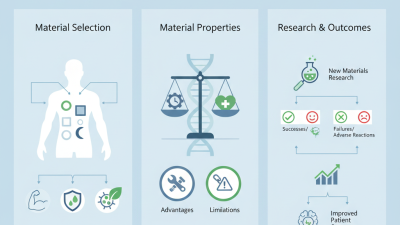
Biocompatibility is a critical factor in medical applications, especially for implant materials. These materials must interact well with the human body. They should minimize adverse reactions while promoting healing. Commonly used biocompatible materials include metals, ceramics, and polymers. Each type has unique benefits and limitations, making it essential to select the right one for specific medical needs.
Metals like titanium are well-known for their strength and durability. They resist corrosion and integrate well with bone, making them suitable for orthopedic implants. However, some patients may experience allergic reactions. Ceramics, on the other hand, offer excellent compatibility and are often used in dental implants. They provide an aesthetically pleasing result but can be brittle. Polymers are versatile and can be manufactured for various applications. Yet, they may not always provide the strength required for heavy load-bearing implants.
The choice of implant materials can be complex. Professional expertise is vital to navigate the options available. Research continuously evolves, leading to better materials and designs. However, challenges remain, including long-term stability and patient-specific requirements. Continuous reflection on past failures can drive future improvements. Balancing effectiveness with biocompatibility will remain a key focus in medical material science.
Criteria for Selecting Implant Materials in Medicine
When selecting implant materials for medical applications, several crucial criteria come into play. The materials must demonstrate biocompatibility, ensuring they can coexist with biological tissues without causing adverse reactions. Reports indicate that nearly 30% of implant failures are related to material incompatibility. The choice of materials can significantly affect healing times and the overall success of the procedure.
Mechanical properties are also essential. The material's strength, flexibility, and wear resistance should match the specific environment within the body. For instance, bones require materials that mimic their load-bearing properties. Studies show that titanium and its alloys remain the gold standard due to their excellent mechanical attributes and biocompatibility, achieving success rates exceeding 95% in orthopedic implants.
Tips: Always consider potential long-term reactions. Testing in vitro and in vivo can reveal compatibility issues. Regular reviews of recent materials research are advised, as innovations frequently emerge. Collaborating with experts can enhance the understanding of material interactions.
It is vital to reflect on
cost versus performance. While some advanced materials can outperform others, their cost can be prohibitive. While optimizing for price is important, prioritizing patient outcomes should guide decisions. Overlooking this can lead to higher costs in the long run due to complications.
Top Biocompatible Implant Materials Used in China
Biocompatible implant materials are crucial for successful medical applications in China. These materials must interact safely with biological tissues. Commonly used materials include titanium, polymers, and ceramics. Each has its own benefits and challenges.
Medical-grade titanium is favored for its strength and corrosion resistance. It's ideal for load-bearing implants. However, its high stiffness may not always match that of surrounding bone, affecting integration. Polymeric materials, like PEEK, are lighter and can mimic the flexibility of natural tissues. That said, their long-term durability remains a concern.
Ceramics, such as alumina and zirconia, offer excellent biocompatibility. They resist wear and are suitable for dental implants. However, they can be brittle, leading to potential fractures under stress.
Tips: When selecting materials, consider not only their mechanical properties but also their long-term interactions with body tissues. It’s essential to balance strength and biocompatibility. Testing prototypes in realistic conditions can help identify potential issues early on.
Top 10 Biocompatible Implant Materials in China for Medical Applications
Innovative Developments in Biocompatible Implants
Innovative developments in biocompatible implants are reshaping medical applications across China. Recent reports indicate that the demand for such materials has increased by over 25% in the last five years. This growth reflects advances in medical technology and a greater understanding of human tissue integration. Materials like titanium and bioactive ceramics are at the forefront. They promote cell attachment, which is essential for successful implant integration.
Research shows that polymethyl methacrylate (PMMA) is widely used but presents challenges. Its brittleness can lead to complications. A focus on hybrid materials is gaining traction. These can combine the best features of different substances, enhancing strength and flexibility. Data suggest that these composites may improve long-term outcomes in patients.
Despite these advancements, issues remain. For example, many biocompatible materials still face issues with long-term stability. There are concerns about chronic inflammation with some polymer-based implants. Continuous research is needed to address these shortcomings and develop materials that minimize adverse reactions. The future of biocompatible implants hinges on multidisciplinary approaches and innovative materials.
Top 10 Biocompatible Implant Materials in China for Medical Applications
| Material |
Application |
Biocompatibility Rating |
Innovative Developments |
Market Trend |
| Titanium |
Orthopedic Implants |
Excellent |
Surface modification for enhanced osseointegration |
Growing demand in the orthopedic sector |
| Polyether Ether Ketone (PEEK) |
Spinal Fusion Devices |
High |
Development of bioactive PEEK composites |
Increasing use in minimally invasive surgery |
| Calcium Phosphate |
Bone Grafts |
Very Good |
3D printed scaffolds for enhanced bone healing |
Robust growth in orthopedic applications |
| Silicone |
Breast Implants |
Good |
New gel formulations to reduce rupture rates |
Stable market with potential for new entrants |
| Zirconia |
Dental Implants |
Excellent |
Advancements in translucent zirconia materials |
Growing demand for aesthetic dental solutions |
| Magnesium Alloys |
Biodegradable Implants |
Good |
Coatings to control degradation rates |
Increasing interest in temporary implants |
| Titanium Alloys |
Cardiovascular Devices |
Very Good |
Enhanced fatigue resistance properties |
Strong growth in cardiovascular applications |
| Hydrogels |
Tissue Engineering |
Very Good |
Smart hydrogels for controlled drug release |
Innovative approaches in regenerative medicine |
| Biodegradable Polymers |
Surgical Sutures |
Good |
New blends to improve mechanical properties |
Rise in minimally invasive procedures |
| Bioactive Glass |
Bone Regeneration |
Very Good |
Development of new compositions for faster healing |
Increasing applications in orthopedic and dental fields |
Future Trends in Biocompatible Materials for Healthcare
The future of biocompatible materials for healthcare is promising and evolving. Research is increasingly focused on materials that promote healing while minimizing adverse reactions.
Innovations in polymers, ceramics, and metals are being explored for implants and prosthetics. These materials must integrate effectively with human tissues. This integration is crucial for long-term success in medical applications.
Additive manufacturing is one trend gaining prominence. It allows for the creation of custom shapes and structures that fit individual patients. This personalization can enhance functionality and reduce complications.
Another area of interest is bioactive glasses. They encourage bone growth and support tissue integration. However, challenges remain. Developing materials that withstand the body’s harsh environment is complex.
Sustainability is also a key consideration. The demand for eco-friendly materials is rising. Researchers are investigating biodegradable options that minimize waste. Yet, not all biocompatible materials meet these standards.
Ongoing research is essential to bridge this gap. The quest for the ideal biocompatible material continues, highlighting the need for collaboration across disciplines.
Each step forward brings us closer to safer, more effective healthcare solutions.