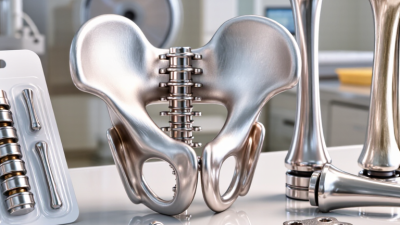
5 Tips for Choosing Prosthesis Fixation Methods
Choosing among Prosthesis fixation methods is not a simple contest between cemented and cementless implants. The right decision depends on bone quality, age, activity level, anatomy, implant design, and surgical experience. A 72-year-old patient with thin, fragile cortical bone may need a different strategy from a healthy 45-year-old with dense bone. Small details matter, including the femoral canal shape, press-fit stability, cement mantle quality, and early weight-bearing plan.
Professor John Charnley, a pioneer of modern joint replacement, is often associated with this principle: “A prosthesis is only as good as its fixation.” That statement remains useful, although it should not replace current clinical evidence or individual assessment. Modern surgeons also consider registry data, radiographic findings, patient expectations, and the risks of loosening, fracture, infection, and revision surgery. No method is perfect.
This guide presents five practical tips for comparing Prosthesis fixation methods. It examines patient selection, bone condition, implant geometry, cement technique, and long-term monitoring. It also recognizes an uncomfortable truth: a technically successful operation can still produce disappointing results when expectations are unrealistic or follow-up is weak. The most convincing choice on paper may not suit every operating room, every implant system, or every patient. Careful judgment is essential. So is humility.
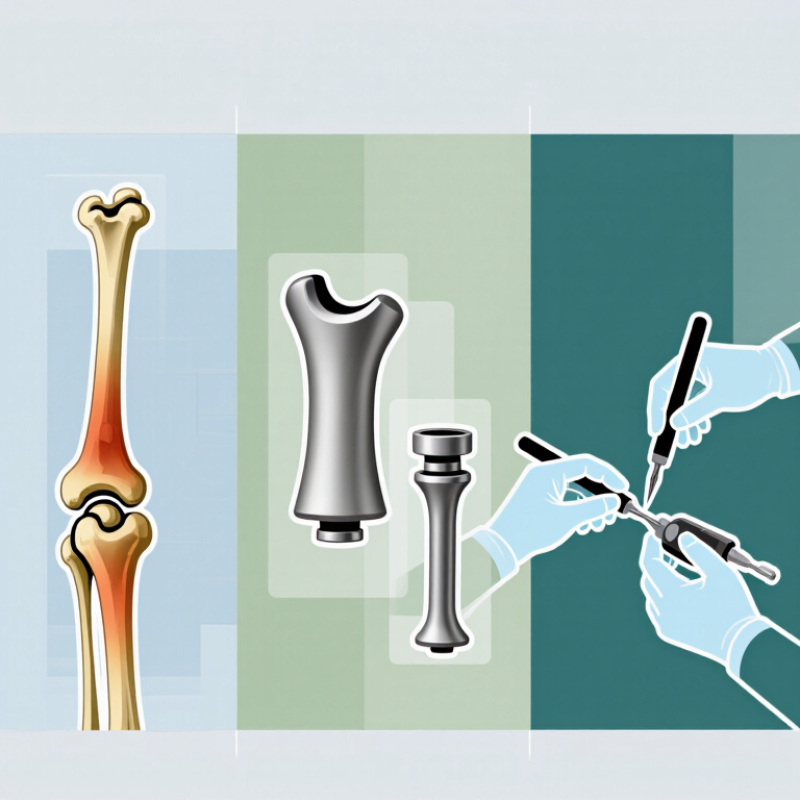
Assess the Patient’s Bone Quality and Clinical Needs
5 Tips for Choosing Prosthesis Fixation Methods
Assessing bone quality should guide fixation more than habit. A DEXA scan can reveal low density, but radiographs still show cortical thickness, deformity, and fracture risk. Thin cortices and a wide femoral canal may provide weak initial grip for cementless fixation. In contrast, healthy bone may support biological ingrowth. The patient’s age, activity, renal status, fracture history, and expected revision risk also matter. There is no perfect shortcut.
Tip 1: Match fixation to bone strength. The 2024 Australian Orthopaedic Association National Joint Replacement Registry reports different revision patterns by age, sex, and fixation method. Its findings support individualized decisions, especially for older patients with fragile bone.
Tip 2: Assess the clinical setting. Cement may offer immediate fixation when bone is compromised, but cementless fixation can suit reliable biological healing. Surgical experience affects both choices.
Tip 3: Discuss consequences, not slogans. The American Joint Replacement Registry’s 2023 Annual Report includes more than 2.8 million recorded hip and knee procedures, showing the value of large-scale outcome tracking. Yet registry data cannot capture every patient’s anatomy or rehabilitation barriers.
Tip 4: Review imaging with the full team.
Tip 5: Document why the method was selected.
I have seen planning become too confident when one scan dominated the discussion. Bone quality changes with age, medication, and disease. Reassessment is often wiser than routine.
Compare Cemented and Cementless Fixation Options
Cemented and cementless fixation each solve a different biological and mechanical problem. Cemented implants use bone cement for immediate stability, while cementless designs depend on bone ingrowth. The UK National Joint Registry’s 21st Annual Report (2024) includes over three million hip and knee procedures. Its findings show that revision risk changes with age, sex, implant design, and fixation choice. No method wins for every patient.
Tip 1: Match fixation to bone quality. Cemented fixation may offer dependable early stability in softer or osteoporotic bone. Cementless fixation can suit strong bone with good remodeling potential.
Tip 2: Consider age and activity. Younger, active patients may value biological fixation, but higher loading can expose early stability problems.
Tip 3: Review registry evidence, not advertising. The Australian Orthopaedic Association National Joint Replacement Registry reports meaningful differences across patient groups and implant combinations. Small percentage differences can matter over thousands of operations.
Tip 4: Ask about the surgeon’s experience. A technically sound method may perform poorly when applied inconsistently.
Tip 5: Discuss recovery honestly. Cemented fixation can support immediate implant stability, while cementless fixation may require greater patience during bone integration. Pain, walking ability, fracture risk, and future revision all deserve attention.
I have seen fixation decisions become too simplistic. “Cemented for older patients” and “cementless for younger patients” are useful starting points, not final answers. Reports provide population trends, not personal predictions. The final choice should combine imaging, bone density, anatomy, activity goals, and informed clinical judgment.
Match the Fixation Method to Prosthesis Design
A prosthesis should not be fixed by habit. Its design must guide the decision. A porous surface may support bone ingrowth, while a smooth surface may require another fixation strategy. The implant’s shape, stem length, contact area, and load path all matter. A secure fit is not simply a tight fit.
Assess bone quality before choosing between cemented, cementless, or hybrid fixation. Thin cortical bone may not tolerate aggressive press-fit forces. Dense bone may provide stronger initial support. Review radiographs and, when necessary, advanced imaging. Also examine the prosthesis geometry. A tapered stem, fluted stem, or modular design can distribute stress differently. Small design details become important during insertion.
Surgical technique must match the planned fixation. Prepare the bone precisely, protect the surrounding tissue, and confirm alignment before final placement. A stable press-fit should feel controlled, not forced. Cement requires careful preparation, mixing, and positioning. In practice, the best plan can change after the bone is exposed. That is not failure. It is a reason to reassess. Long-term studies, clinical experience, patient activity, and follow-up findings should inform the choice. No fixation method is perfect for every patient. A design that performs well in one skeleton may behave differently in another.
Evaluate Surgical Risks and Long-Term Stability
5 Tips for Choosing Prosthesis Fixation Methods
Evaluate Surgical Risks and Long-Term Stability
Choosing a prosthesis fixation method requires more than comparing short-term surgical results. Cemented, uncemented, and hybrid options each create different demands on the patient and surgical team. Bone quality matters greatly. Thin, fragile bone may increase fracture risk during press-fit fixation. Strong bone may support biological growth around an uncemented implant.
The operation itself deserves careful risk assessment. Surgeons should review infection risk, blood loss, anesthesia concerns, nearby nerves, and the possibility of early loosening. A patient’s age, activity level, weight, and existing conditions also influence the decision. A physically active person may place greater stress on the fixation site. A patient with limited mobility may need a different balance between immediate stability and future bone integration.
Long-term stability requires realistic follow-up planning. Early X-rays can show alignment, but they cannot guarantee permanent fixation. Pain, swelling, unusual clicking, or reduced movement may signal a developing problem. Regular clinical reviews help identify migration, wear, bone loss, or loosening before function declines. No method is risk-free. That is easy to forget.
Clinical judgment is not always perfect. Evidence may favor one approach, while a patient’s anatomy suggests another. Discussing revision possibilities before surgery can also expose uncomfortable choices, including the need for bone grafting or a larger implant later. A reliable decision weighs published evidence, surgical experience, and the patient’s informed priorities.
Consider Recovery Goals, Costs, and Follow-Up Care
5 Tips for Choosing Prosthesis Fixation Methods
Tip 1: Match fixation with your recovery goals. Cemented, uncemented, and hybrid methods may suit different bones and activity levels. Ask how each option could affect walking, physical therapy, and return to work. Faster early recovery may not mean the best long-term choice.
Tip 2: Discuss bone quality honestly. Imaging, age, activity, and medical history help guide the recommendation. Strong bone may support biological fixation, while weaker bone may need immediate stability. Nothing is automatic. Your surgeon should explain the evidence in plain language.
Tip 3: Request a complete cost estimate. Include the operation, hospital stay, rehabilitation, medicines, imaging, and possible time away from work. A lower initial price can become expensive if follow-up needs increase. Insurance rules also vary, so confirm coverage before surgery.
Tip 4: Plan follow-up care before choosing. Ask how often appointments and X-rays are needed. Learn which symptoms require urgent medical attention, such as fever, worsening pain, or unusual swelling. Reliable follow-up can identify complications early.
Tip 5: Compare practical recovery details. Ask when you can drive, climb stairs, exercise, or sleep comfortably. Bring written questions to your consultation. I would not choose fixation from cost alone; personal goals and clinical findings matter more. Even experienced teams may revise recommendations when new scans or symptoms appear.
Related Posts
-
China Top 10 Prosthesis Fixation Methods Suppliers
-

Top Prosthesis Fixation Methods You Should Know?
-
China Top 10 Minimally Invasive Arthroplasty Techniques You Should Know?
-
Why Choose Bone Preservation Implants for Your Dental Needs?
-
What Are Bone Preservation Implants and How Do They Work?
-
How to Choose Biocompatible Implant Materials for Medical Applications?