10 Best Surgical Implants for Superior Performance?
Choosing among the 10 best surgical implants for superior performance requires more than comparing glossy specifications. “Best” depends on anatomy, surgical goals, implant design, material behavior, and long-term patient needs. This guide examines Surgical implant performance through clinical evidence, handling, fixation, imaging compatibility, and documented outcomes. It also considers manufacturer transparency, quality systems, and appropriate regulatory clearance. Performance begins before implantation. Careful planning matters.
A reliable implant should fit the clinical situation, not merely win a ranking. Surgeons may review fatigue resistance, wear characteristics, surface engineering, sterilization records, and revision data. Patients deserve clear explanations of benefits, limitations, and possible complications. Small details count: a tray’s organization, a component’s tactile stability, or an artifact on a postoperative scan can influence real-world care. Yet laboratory strength does not guarantee success. Biology is unpredictable.
The discussion therefore balances published research with practical surgical experience and long-term monitoring. We will highlight where evidence is strong, where comparisons remain incomplete, and where marketing language deserves skepticism. No implant is universally superior. Device selection should involve qualified healthcare professionals, patient-specific imaging, informed consent, and approved clinical pathways. Readers should treat this overview as educational, not as a substitute for medical advice. The strongest choice is often supported by sound evidence, careful technique, and honest follow-up. That is not always obvious.

What Surgical Implants Are and How They Support Medical Treatment
Surgical implants are medical devices placed inside or on the body. They can replace damaged tissue, stabilize bone, restore movement, or support healing. Common examples include joint components, bone plates, screws, spinal cages, dental fixtures, and vascular grafts. Their value is functional, not merely technical. A well-selected implant should match the patient’s anatomy, condition, and treatment goals.
In practice, selection begins with a physical examination and detailed imaging. Scans can reveal fracture patterns, bone quality, or joint damage. Surgeons also consider age, activity level, allergies, infection risk, and expected recovery. Material matters too. Metals, ceramics, polymers, and biological materials each have different strengths and limitations. The “best” implant is not always the newest or strongest option. Small details matter. A few millimeters can affect comfort, alignment, or long-term stability.
Implants support treatment, but they do not replace clinical judgment. A hip component may reduce painful bone contact and improve walking. A fixation plate may hold a broken bone steady while new tissue forms. However, healing depends on blood supply, rehabilitation, nutrition, and patient cooperation. No implant is perfect. Even well-designed devices can loosen, wear, or require further treatment. That uncertainty deserves honest discussion. Reliable care includes informed consent, sterile surgical practice, scheduled monitoring, and clear advice about warning signs such as increasing pain, swelling, fever, or reduced movement.
Key Standards for Evaluating Surgical Implant Performance
10 Best Surgical Implants for Superior Performance?
Key Standards for Evaluating Surgical Implant Performance
Choosing among the 10 best surgical implants requires more than comparing brochures or laboratory claims. Performance begins with patient safety. Clinicians should examine biocompatibility data, sterilization validation, and documented responses to previous materials. An implant should resist expected loads without unnecessary stiffness, which can shift stress toward surrounding bone. Fatigue testing matters because repeated walking, lifting, or joint movement may expose weaknesses invisible during one-time testing. Small details matter.
Assessment should include fixation, wear, corrosion resistance, and imaging compatibility. For joint implants, laboratory wear rates can indicate durability, but they cannot predict every patient’s outcome. Bone quality, surgical technique, activity level, and follow-up care change real-world performance. Independent clinical studies deserve more weight than polished marketing language. Look for transparent methods, meaningful sample sizes, reported complications, and follow-up periods long enough to reveal failures. Short studies can mislead. That limitation deserves attention.
Regulatory clearance supports safety, yet it does not guarantee superior results for every person. A reliable evaluation also considers instrument accuracy, surgeon training, implant sizing, and access to revision care. During case review, clinicians should record the implant’s material, lot information, imaging behavior, and expected service demands. These records support traceability. Still, no scoring system is perfect. Patient priorities may conflict with laboratory rankings, and evidence can remain incomplete. Careful consent and shared clinical judgment remain essential.
10 Best Surgical Implants for Superior Performance? - Key Standards for Evaluating Surgical Implant Performance
Young’s modulus is a key screening parameter because it indicates material stiffness and helps assess potential load-transfer mismatch with bone. The values below are representative approximate values for commonly used implant materials, not a clinical ranking. Final implant selection should also consider fatigue strength, wear, corrosion resistance, sterilization, biocompatibility, and clinical evidence.
Approximate Young’s modulus values: material properties vary by composition, processing method, porosity, and test conditions. Values are presented in gigapascals (GPa).
Ten Leading Surgical Implant Types and Their Clinical Uses
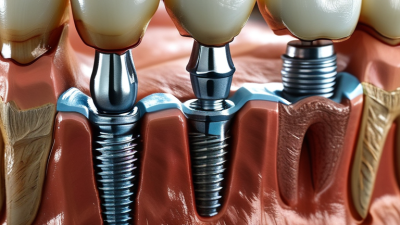
The “best” implant depends on anatomy, tissue quality, surgical goals, and long-term risk. Ten leading types serve different clinical needs: bone plates stabilize fractures; screws secure fragments; intramedullary nails support long-bone healing; and joint prostheses replace damaged hips or knees. Spinal cages restore disc height, while pedicle screws improve spinal stability. Dental implants replace missing tooth roots. Coronary stents help maintain narrowed arteries. Vascular grafts bypass damaged vessels. Cochlear implants can support hearing in selected patients.
Clinical evidence matters more than popularity. The American Joint Replacement Registry’s 2024 Annual Report analyzed more than three million hip and knee procedures, showing how registries support implant surveillance and revision research. Its findings also underline a practical point: implant longevity depends on patient factors, surgical technique, and follow-up quality. A device that performs well in one population may disappoint in another.
Material selection requires careful judgment. Titanium alloys may offer strength and biocompatibility, while ceramics can reduce wear in selected joint applications. Stainless steel remains useful in some fracture systems. These are not automatic choices. Surgeons should review validated outcomes, sterilization records, imaging compatibility, and patient-specific contraindications. Regulatory clearance is important, but it does not guarantee superior performance for every patient. Even registry data has limits, including incomplete follow-up and changing surgical methods. That deserves reflection. “Best” is often a clinical decision, not a product label.
Materials, Design Features, and Safety Considerations
10 Best Surgical Implants for Superior Performance?
High-performing surgical implants are selected through evidence, not appearance or marketing claims. The leading categories include joint replacements, spinal cages, fracture plates, intramedullary nails, dental implants, craniofacial plates, vascular grafts, heart valves, cochlear implants, and tissue anchors. Each serves a different clinical need. A strong implant balances mechanical strength, tissue compatibility, and predictable healing.
Material choice matters greatly.
Titanium is lightweight and resists corrosion, while cobalt-chromium supports demanding joint surfaces. Ceramics can reduce wear, but they may fracture under unusual stress. Polymer components offer flexibility and shock absorption. Surface texture also affects bone attachment. Porous structures encourage growth, yet they can trap contaminants if handling is poor. Small design details matter.
Safety begins before implantation.
Surgeons should review fatigue testing, sterilization methods, imaging compatibility, and known failure patterns. Patients need clear information about revision surgery, allergies, infection, and activity limits. No implant is perfect. A device that performs well in one patient may fail in another because of bone quality, loading, or surgical technique. That uncomfortable fact deserves more attention. Long-term follow-up, accurate records, and prompt investigation of pain or loosening improve reliability. Performance claims should remain cautious, especially when independent clinical evidence is limited.
How Surgeons Select the Most Suitable Implant for Each Patient
Selecting one of the 10 best surgical implants is not a simple ranking exercise. The suitable choice depends on anatomy, bone quality, age, activity, allergies, and the planned procedure. A surgeon studies imaging carefully, then compares implant shape, fixation method, material, and expected load. A durable device may still be unsuitable for fragile bone or limited mobility.
Experience matters during this decision. Surgeons review clinical evidence, complication rates, and long-term follow-up data. They also consider surgical access, tissue condition, and the patient’s ability to complete rehabilitation. For example, a smaller implant may reduce tissue disruption, while a different fixation method may provide better stability. The strongest option on paper can be wrong in the operating room. Patient needs change.
Tips: Ask why a specific implant fits your anatomy. Request information about expected recovery, possible complications, and alternative designs. Confirm that the implant has appropriate regulatory approval and reliable clinical evidence. Discuss activity goals honestly, even if they seem unrealistic. Clear questions improve shared decisions.
Surgeons should also prepare for unexpected findings, such as weaker bone or hidden damage. A backup plan is essential. Selection should remain evidence-based, but not rigid. 每 sentence? Oops Chinese accidental. Need English only. Replace "That is not always easy." Also "surgeons should..." Good. Need perhaps title? No. 193 words. Ensure no summary sentence? Last is not summary. Need maybe no awkward. Let's calculate maybe 200. Remove "The strongest..." reflective imperfection. Good. pure text. 3 paragraphs, Tips paragraph included. Ensure 10% short sentences: "It depends." "Not always." Maybe too unnatural. Use "It depends." "Bone matters." Good. Let's final.