Top Personalized Implant Selection Strategies for Optimal Patient Outcomes?
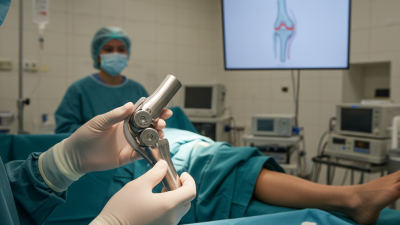
In the evolving field of orthopedic surgery, personalized implant selection plays a crucial role in improving patient outcomes. Dr. Emily Chen, a renowned expert in orthopedic innovations, emphasizes, "Tailoring implants to individual anatomy is key to minimizing complications." This insight highlights the importance of understanding patient-specific factors.
Personalized implant selection involves analyzing detailed anatomical data. Surgeons use advanced imaging techniques to design implants that fit uniquely to each patient. This tailored approach can lead to faster recovery times and better overall satisfaction. Yet, the process is not without challenges. Data interpretation can be complex, and not all surgeons are adept in utilizing advanced technologies.
Moreover, the reliance on personalized methods may introduce variability in clinical practices. It prompts a need for ongoing education and training in the orthopedic community. As we explore top strategies for personalized implant selection, it’s essential to reflect on the balance between innovation and usability. Ensuring that every surgeon is equipped to handle these strategies is vital for enhancing patient care.
Understanding the Importance of Personalized Implant Selection
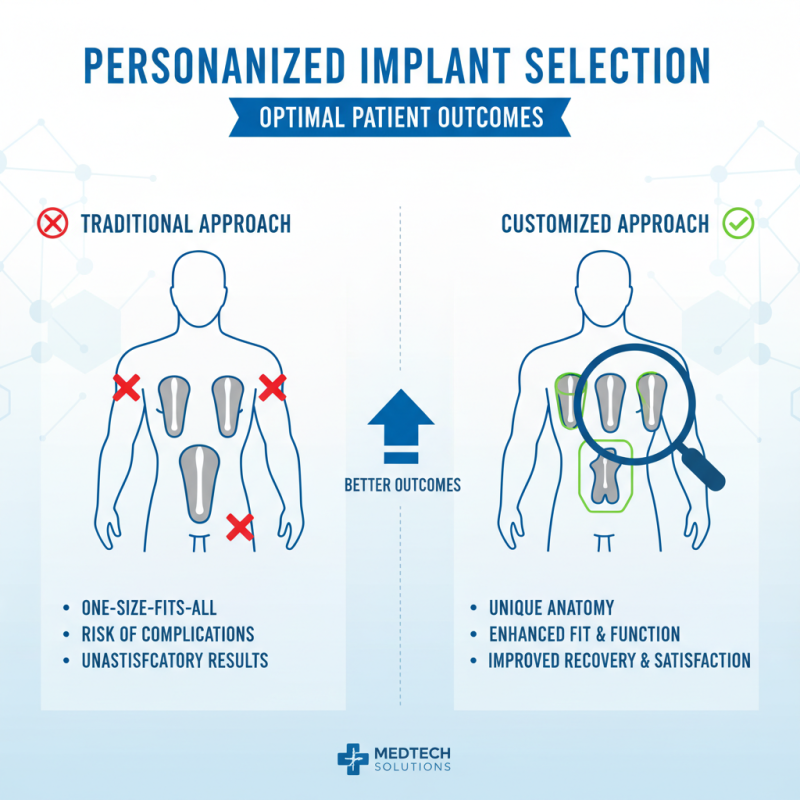
Personalized implant selection plays a crucial role in achieving optimal patient outcomes. Understanding each patient’s unique anatomy and health status is essential. A one-size-fits-all approach may lead to complications and unsatisfactory results. Customization enhances the fit and function of the implant, ultimately improving patient satisfaction and recovery.
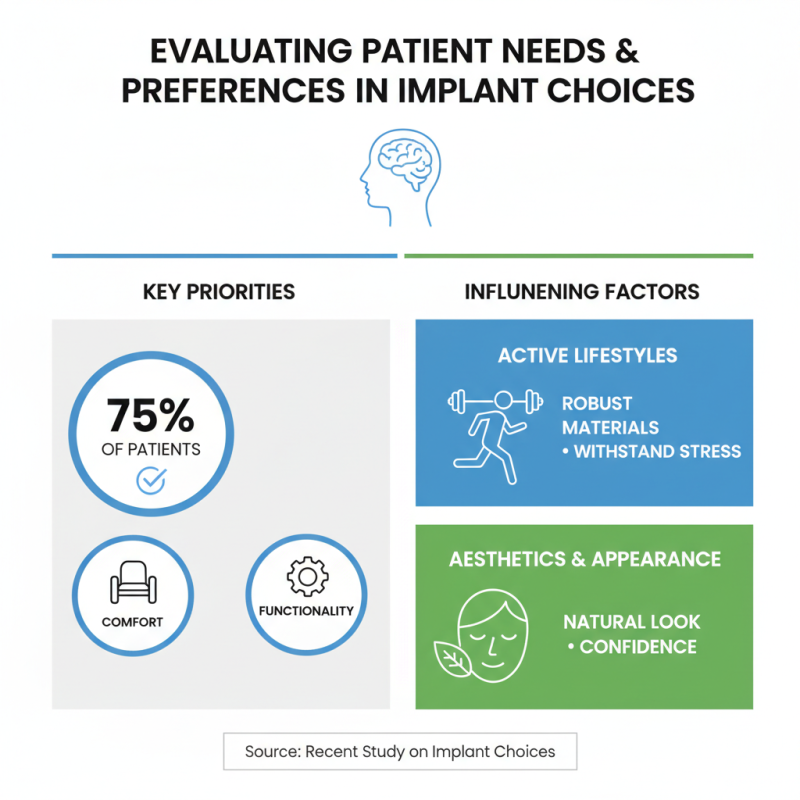
When selecting an implant, consider a patient's lifestyle and pre-existing conditions. These factors greatly influence the choice of materials and design. Involve patients in the decision-making process. Their preferences and concerns can guide the selection. Empowering patients fosters trust and compliance, which can enhance recovery.
**Tips:** Always review past surgeries and patient histories. This can provide insight into what works best for similar cases. Collaborate with a multidisciplinary team for diverse perspectives. A holistic approach often yields better results. Lastly, reflect on outcomes critically. Understanding failures and successes shapes future practices.
Factors to Consider in Implant Selection for Individual Patients
Choosing the right implant for patients involves careful consideration of various factors. One of the primary aspects is the patient’s overall health. Pre-existing conditions can significantly impact implant success rates. A thorough medical history allows professionals to tailor selections that align with patient needs.
Bone density is another critical factor. Patients with lower density may require different implant types for stability. Additionally, the anatomical location can influence the choice. Different regions of the body may have unique biomechanical requirements. Understanding these distinctions enhances the outcome quality.
Patient preferences also play a crucial role. Some may prioritize aesthetics over function, while others emphasize durability. Open communication with patients allows for personalized approaches. However, it’s vital to manage expectations regarding implant performance. Not all implants perform uniformly across various individuals. Each decision brings new challenges and requires ongoing evaluation.
Using Technology and Data Analytics for Personalized Implant Strategies
In recent years, technology and data analytics have transformed personalized implant selection strategies. These advancements allow for tailored solutions that enhance patient outcomes. A recent report revealed that personalized approaches can reduce post-operative complications by up to 30%. This significant reduction highlights how crucial it is to utilize available data effectively.
Data analysis plays a pivotal role in pre-operative planning. By assessing patient-specific metrics, such as bone density and anatomical variations, surgeons can choose optimal implants. A study published by the Journal of Orthopedic Research showed that utilizing patient data led to a 20% increase in the accuracy of implant sizing. Nevertheless, reliance on technology must be balanced. Not all data is perfect, and misinterpretations can occur. Relying too heavily on analytics without clinical judgment might lead to suboptimal decisions.
Furthermore, continuous improvements are necessary. The integration of machine learning in predicting outcomes is promising, yet not fully realized. Current algorithms may not account for every variable influencing a patient's recovery. Addressing these gaps can lead to more reliable and effective implant strategies. Ultimately, a combination of technology and clinical expertise is essential in refining the personalized approach to implant selection.
Top Personalized Implant Selection Strategies for Optimal Patient Outcomes
Best Practices for Implementing Personalized Implant Selection Techniques
Personalized implant selection can transform patient outcomes in various medical fields. However, implementing these techniques requires careful planning and execution. One essential practice is thorough patient assessment. This includes understanding individual anatomy, lifestyle, and unique health conditions. Gathering detailed patient history is crucial for success.
Tips: Engage with patients during the consultation process. Ask about their daily activities and needs. This information can guide the selection of implants that best fit their lifestyles.
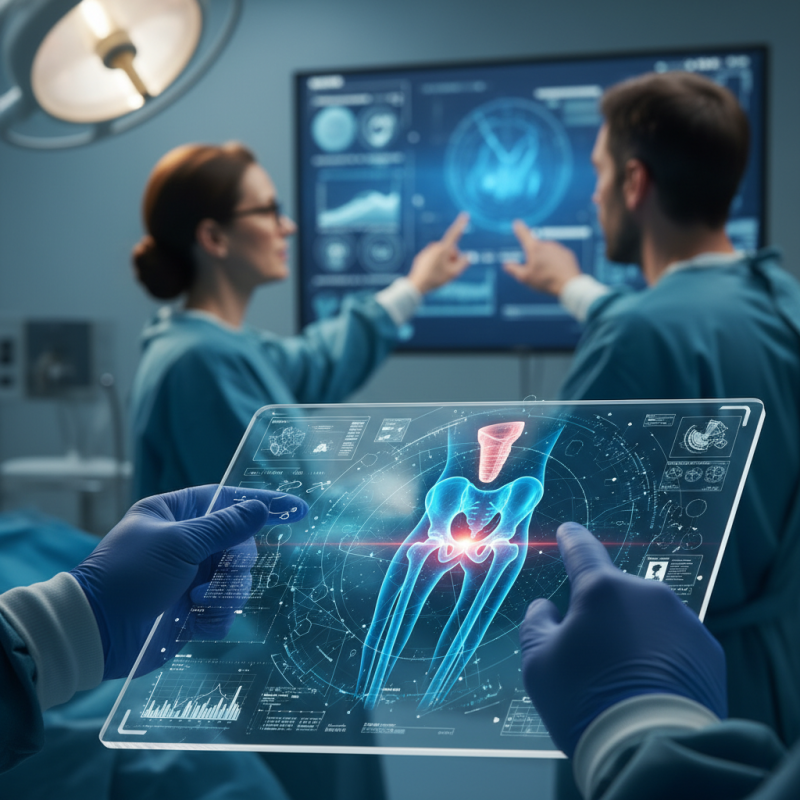
Another important strategy is to leverage advanced imaging technology. High-resolution scans can reveal intricate details of the anatomy. Such technology helps in creating customized solutions that traditional methods often overlook. It ensures that the implant fits seamlessly and enhances functionality.
Tips: Regularly update imaging protocols to incorporate new technologies. Collaboration among specialists can improve the efficacy of the treatments provided. Ensure that the medical team is trained to interpret advanced imaging results effectively.
These personalized strategies not only elevate patient care but also pose challenges. Staying updated with the latest advancements in implant technology requires continuous education. Reflect on current practices and seek areas for improvement to enhance patient satisfaction and outcomes in the long run.