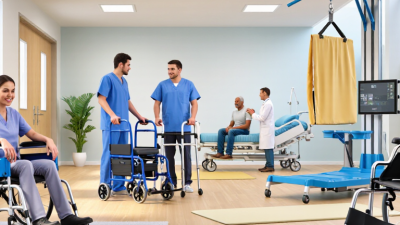
How to Improve Patient Mobility Safely and Effectively?
Patient mobility improvement is a clinical priority, not simply a walking exercise. Bed rest can quickly weaken muscles, reduce balance, and increase dependence, especially among older adults. The World Health Organization reports that falls cause approximately 684,000 deaths worldwide each year, making prevention a major patient-safety concern. In hospitals, the Agency for Healthcare Research and Quality estimates fall rates of roughly 3 to 5 events per 1,000 bed-days. These figures show why mobility programs must combine movement with risk assessment, supervision, and reliable documentation.
Safe progress begins with a practical bedside evaluation. Clinicians should review vital signs, pain, cognition, strength, footwear, medications, and current mobility aids before standing a patient. A nurse, physiotherapist, and physician can then set measurable goals, such as sitting unsupported, transferring safely, or walking ten meters. Small steps matter. A gait belt, non-slip shoes, a cleared pathway, and a nearby chair can prevent avoidable harm. The Joint Commission emphasizes individualized fall-prevention strategies rather than a single universal checklist. That principle deserves attention. A standard protocol may still fail when staffing, communication, or patient fatigue is overlooked. Effective Patient mobility improvement therefore requires frequent reassessment, patient consent, and honest feedback after each attempt. The goal is not movement at any cost. It is confident, functional movement that supports recovery without creating a new injury. Reliable outcomes should be tracked through walking distance, assistance level, falls, discharge function, and patient-reported confidence. Resistant patients also need respect, not pressure. Progress may be slower than expected. That is still progress.
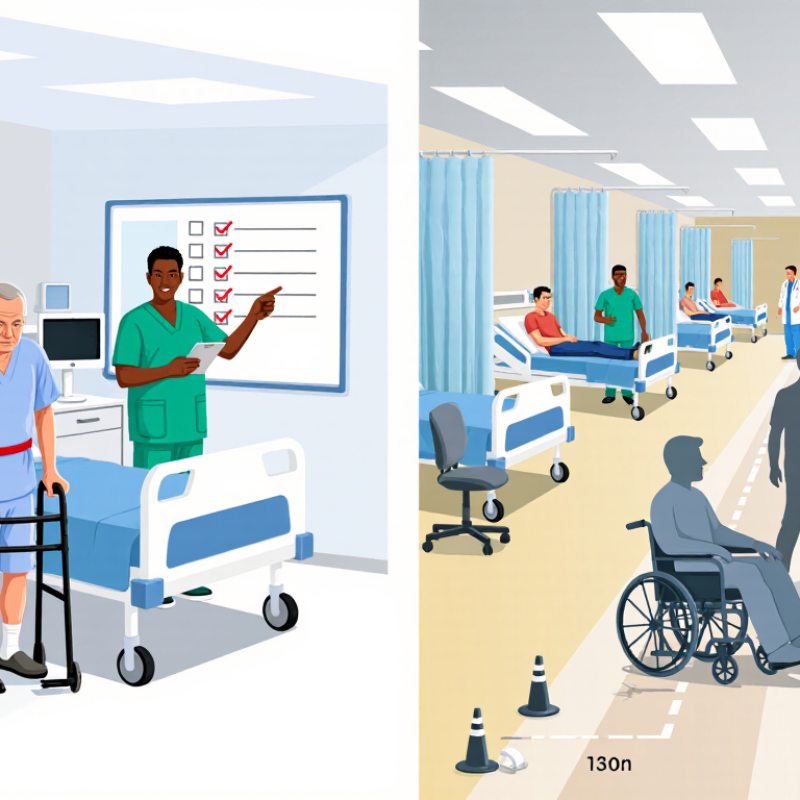
Assess the Patient’s Mobility Needs and Safety Risks
Safe mobility begins with a careful assessment, not a rushed transfer. Ask how the patient usually walks, turns, stands, and manages stairs. Observe balance, footwear, posture, pain, dizziness, and fatigue. Check whether they use a cane, walker, glasses, or hearing support. A practical bedside lesson is simple: the same patient may need different help in the morning and evening.
The Centers for Disease Control and Prevention reports that one in four adults aged 65 and older falls each year. Falls also cause about three million emergency department visits annually in the United States. In hospitals, the Agency for Healthcare Research and Quality estimates that 700,000 to one million patients fall each year. These figures make risk assessment a clinical priority, not paperwork. Review medications, blood pressure changes, confusion, recent surgery, and previous falls. Ask about fear, too. Fear can reduce movement and increase weakness.
Use the assessment to match assistance with actual ability. A patient who can sit independently may still require support when standing. Keep the floor dry, clear oxygen tubing, lock bed wheels, and place essential items within reach. Explain each movement before touching the patient. Stop if breathing changes, pain increases, or the patient looks unsteady. Assessment tools improve consistency, but they are not perfect. A checklist may miss a quiet warning, especially when communication is limited. Reassess after treatment, toileting, sleep, or a change in condition. Safety is an ongoing judgment.
Set Clear, Individualized Mobility Goals
How to Improve Patient Mobility Safely and Effectively?
Set Clear, Individualized Mobility Goals
Safe mobility begins with a goal that fits the individual, not a standard checklist. A patient recovering from surgery may aim to stand beside the bed for thirty seconds. Another may work toward walking to the bathroom with a walker. The goal should reflect strength, balance, pain, confidence, and medical stability.
Keep it measurable.
A qualified clinician can record distance, assistance level, walking time, and symptoms. For example, “walk ten meters with one-person support by Friday” is clearer than “improve mobility.” Ask what matters to the patient. Reaching a dining chair may matter more than completing a longer hallway walk. Their answer can reveal motivation, fear, or an overlooked barrier.
Safety checks must shape every session. Confirm appropriate footwear, clear the floor, and allow enough time for position changes. Watch for dizziness, unusual breathlessness, chest discomfort, or sudden weakness. Stop and seek clinical guidance when warning signs appear. Reassess the goal regularly, especially after medication changes or a setback.
A realistic plan may still need adjustment. I have seen teams focus too heavily on distance while missing a patient’s fear of falling. That reflection matters. Progress is not always linear. A shorter walk with better control may represent meaningful improvement. Document what happened, including missed targets, because honest records support safer decisions and more responsive care.
Choose Appropriate Mobility Aids and Support
Safe mobility begins with choosing an aid that matches the patient’s strength, balance, and daily environment. A walking cane may help mild weakness, while a wheeled walker can provide wider support. A standard walker may suit someone who needs more stability. Not every walker fits.
A physical or occupational therapist should assess gait, posture, joint movement, and fall history before recommending equipment. The handle should usually align with the wrist crease when the arm hangs naturally. Elbows should bend slightly during use. Check rubber tips, wheel movement, handgrips, and brakes often. A loose brake can create serious risk. Small details matter. Caregivers should learn safe transfer techniques instead of pulling the patient by the arms. A gait belt may help during supervised transfers, but it must be used correctly.
The home also needs adjustment. Remove loose rugs, improve lighting, and keep pathways clear from the bedroom to the bathroom. Encourage supportive shoes with firm, non-slip soles. Patients should practice turning, sitting, and managing doorways with a trained professional. Fatigue changes movement quickly, so shorter practice sessions may work better. I have seen people choose a larger aid because it feels safer, yet struggle in narrow rooms. That choice deserves review. Mobility plans should be reassessed after illness, surgery, pain changes, or repeated near-falls. The safest aid is not always the most advanced one; it is the one the patient can control consistently.
Apply Safe Techniques for Transfers and Walking
Safe patient mobility begins with a careful assessment, not a quick lift. Check alertness, balance, pain, strength, and any movement restrictions. Explain each step before touching the patient. Clear loose rugs, lock the chair brakes, and place both feet firmly on the floor.
For a bed-to-chair transfer, raise the bed to a safe working height. Help the patient sit at the edge and pause for dizziness. Use a properly fitted gait belt when trained to do so. Stand close, keep your back neutral, and guide movement with your legs. Never pull the patient’s arms or rush the pivot. During walking, encourage short steps and steady breathing. Keep the walking aid within reach, but do not push it too far forward. A second caregiver may be necessary when weight-bearing is limited.
Tips: Use supportive, non-slip footwear. Check the path for cords, wet spots, and narrow turns. Ask the patient to report pain, weakness, or lightheadedness immediately. Stop if the knees buckle or the patient becomes confused. Follow the care plan and seek advice from a qualified clinician when needs change. Even experienced caregivers can misjudge fatigue; reassess after each attempt. A transfer may look simple, yet small positioning errors can cause a fall.
How to Improve Patient Mobility Safely and Effectively? - Apply Safe Techniques for Transfers and Walking
| Mobility Activity | Pre-Mobility Safety Check | Recommended Equipment | Safe Technique | Assistance Level | Key Monitoring Points | Stop and Escalate If |
|---|---|---|---|---|---|---|
| Bed repositioning | Confirm the patient can follow instructions; check pain, dizziness, lines, tubes, drains, and skin condition. | Adjustable bed, slide sheet, pillows, and pressure-relieving support as indicated. | Explain each step, raise the bed to a safe working height, use a coordinated count, and avoid pulling the patient's arms or shoulders. | Independent, verbal cueing, or one to two caregivers according to assessment and facility policy. | Observe breathing, pain, skin friction, joint alignment, and the security of all medical devices. | New severe pain, shortness of breath, loss of consciousness, device displacement, or suspected injury. |
| Supine to sitting at the bedside | Check alertness, trunk control, blood pressure concerns, orthostatic symptoms, and weight-bearing restrictions. | Bed adjusted to a safe height, non-slip footwear, and gait belt when appropriate. | Roll the patient toward the side, move the legs over the edge, and assist the trunk upward without lifting under the arms. Pause before standing. | Close supervision to moderate assistance, based on balance and trunk control. | Allow time for the patient to sit upright; check for pallor, nausea, blurred vision, and unsteadiness. | Faintness, marked blood-pressure-related symptoms, new neurological changes, or inability to maintain sitting balance. |
| Sit-to-stand transfer | Ensure the chair or bed is stable, brakes are locked, footwear is secure, and the patient understands the sequence. | Gait belt if suitable, armrest chair, non-slip footwear, and mobility aid positioned within reach. | Place feet under the knees, lean the chest forward, push from the sitting surface, and stand on a clear count. Do not pull on the patient's arms or walker. | Independent, standby, one-person assist, or mechanical lift according to the mobility assessment. | Knee stability, foot placement, balance, weight-bearing tolerance, and controlled extension of the hips and knees. | Knee buckling, inability to bear permitted weight, sudden weakness, chest pain, or severe dizziness. |
| Bed-to-chair transfer | Place the chair on the patient's stronger side when clinically appropriate; remove obstacles and check catheter or tubing length. | Stable chair with armrests, locked brakes, gait belt when appropriate, and transfer board or lift if indicated. | Use a short pivot with small steps. Ask the patient to feel the chair against the legs, reach for the armrests, and lower slowly. | Standby to two-person assistance or a mechanical lift, depending on assessment and weight-bearing status. | Keep the patient's center of gravity close, maintain clear communication, and prevent twisting or uncontrolled descent. | Loss of balance, uncontrolled sitting, new pain, or any movement that threatens a surgical restriction or medical device. |
| Walking with a mobility aid | Confirm the prescribed weight-bearing status, proper footwear, alertness, and appropriate aid height. | Cane, crutches, or walker fitted by a qualified professional; gait belt when appropriate. | Stand upright, look ahead, keep the aid close, advance the aid a safe distance, and take controlled steps. Do not use furniture for support. | Independent, supervision, contact guard, or physical assistance based on balance and gait quality. | Step symmetry, foot clearance, trunk position, fatigue, breathing effort, and safe turning technique. | Foot dragging, repeated loss of balance, shortness of breath, chest discomfort, confusion, or rapidly increasing fatigue. |
| Walking without an aid | Verify adequate balance, strength, cognition, vision, and a low-obstacle walking route. | Non-slip footwear, gait belt when appropriate, and supervision according to risk level. | Use an upright posture, normal step pattern as tolerated, and slow changes of direction. Encourage the patient to stop before turning if unsteady. | Independent only after assessment; otherwise provide supervision or hands-on assistance. | Balance, cadence, step width, environmental hazards, and the patient's confidence and attention. | Near-fall, new staggering, acute confusion, severe fatigue, or inability to follow safety instructions. |
| Stair practice | Obtain appropriate clinical clearance; assess strength, balance, weight-bearing limits, handrail availability, and footwear. | Secure handrail, suitable gait aid if prescribed, non-slip footwear, and trained caregiver support. | Use one step at a time when needed. A commonly taught sequence is “up with the stronger leg and down with the weaker leg,” unless otherwise directed. | Close supervision or physical assistance; never practice alone when stair safety is uncertain. | Foot placement, handrail use, knee control, breathing, and the ability to pause safely. | Knee collapse, inability to clear a step, severe breathlessness, dizziness, or unsafe equipment use. |
| Wheelchair mobility and transfer | Check wheelchair stability, brakes, footrests, armrests, posture, and the patient's ability to follow directions. | Appropriate wheelchair cushion, transfer board or lift if indicated, and non-slip footwear. | Lock brakes, move footrests out of the way, position close to the target surface, and use a controlled transfer without dragging the patient. | Independent, assisted transfer, or mechanical lift according to functional ability and policy. | Pelvic alignment, pressure areas, foot clearance, brake engagement, and secure positioning after transfer. | Chair movement, sliding forward, skin injury, uncontrolled transfer, or inability to maintain a safe seated position. |
| Progressive walking program | Establish a baseline for distance, assistance, symptoms, gait quality, and recovery time; review medical restrictions. | Appropriate footwear, prescribed mobility aid, rest chair, and documentation tool. | Begin with short, supervised distances; increase duration or distance gradually; schedule rest periods and reassess after activity. | Use the least assistance that maintains safety, with reassessment whenever strength, cognition, or medical status changes. | Perceived exertion, breathing, pain, gait quality, heart rate response when clinically indicated, and recovery after rest. | Symptoms that do not settle with rest, abnormal vital-sign response, worsening gait, or a near-fall. |
Monitor Progress and Adjust the Mobility Plan
Safe mobility plans need live evidence, not fixed targets. WHO estimates that 2.4 billion people could benefit from rehabilitation worldwide. Their needs change daily. Measure walking distance, gait speed, sit-to-stand time, balance, pain, and perceived exertion. Record them at consistent times. A slower step after poor sleep may not mean decline. Look for patterns.
The CDC reports that more than one in four adults aged 65 and older fall each year. Therefore, track near-falls, foot clearance, dizziness, and unsafe transfers. Use a simple weekly chart. Note the surface, footwear, assistive device, and supervision level. Stop when pain rises sharply, breathing becomes unusual, or balance deteriorates. Ask what felt unstable. Patient feedback often reveals risks numbers miss.
Adjust one variable at a time. Reduce distance before reducing frequency when fatigue appears. Add rest breaks, hand support, or supervised turns. Progress only after several stable sessions. NICE falls guidance supports individualized, multifactorial assessment rather than one mobility score. Yet no checklist is perfect. A successful session can still hide risk. Reassess after medication changes, infection, hospitalization, or new fear of falling. Document why the plan changed, not only what changed. “Walk 20 meters” is incomplete. “Walk 20 meters on level flooring, with standby assistance, twice daily” is actionable.
Related Posts
-
Top 10 Types of Patient Mobility Improvement Equipment
-
Top 10 Hip Implant Solutions for Global Buyers Today?
-
China Best Orthopedic Quality of Life Improvements for Patients Today?
-

What is Medial Pivot Knee Technology and Its Benefits?
-
China Best Minimally Invasive Arthroplasty Techniques and Innovations?
-

How to Choose Biocompatible Implant Materials for Your Medical Needs?