How to Choose the Best Livestock Medical Syringe?
Choosing the best Livestock Medical Syringe is a practical decision, not a simple shopping exercise. A suitable syringe should match the animal, medication, dosage, and working environment. Cattle, sheep, goats, and pigs may require different barrel sizes, needle lengths, and handling approaches. Small details matter. A stiff plunger can delay treatment. A poor grip can cause dosage errors. A fragile barrel may crack beside a crowded handling chute.
Dr. Temple Grandin, a leading authority on livestock behavior and handling, has said, “I think using low-stress handling methods is the best way to handle livestock.” Her observation applies directly to syringe selection. A comfortable grip, smooth plunger, clear measurement marks, and a suitable needle can reduce unnecessary struggling. Less stress can also improve worker control and animal safety. However, no syringe is perfect. A reusable model may offer durability, yet it demands careful cleaning and inspection. A disposable model may save preparation time, but its waste and cost deserve attention.
This guide examines the features that matter in real farm conditions. It considers accuracy, material quality, capacity, needle compatibility, cleaning demands, and user comfort. It also questions common assumptions. The largest syringe is not always the most efficient. The cheapest option may create hidden problems. Even experienced handlers can overlook small cracks, worn seals, or unclear graduations. Choosing well means observing the animal, checking the treatment requirements, and evaluating the equipment before use. That careful pause may prevent a rushed decision.
Understanding Livestock Medical Syringe Types and Their Uses
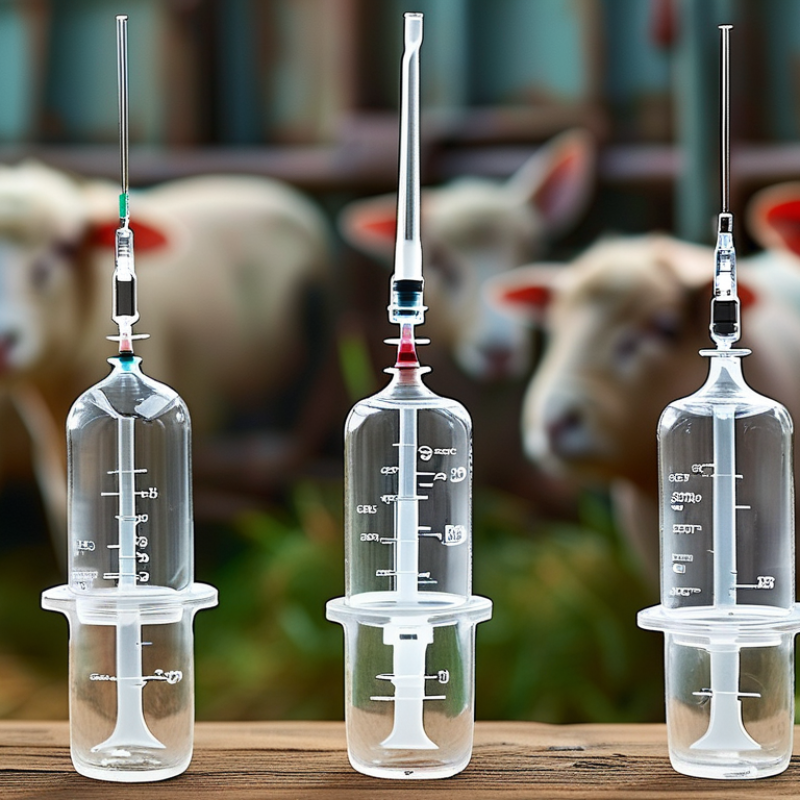
Choosing a livestock medical syringe starts with the animal, treatment volume, and handling conditions. Disposable syringes suit small herds and reduce cleaning errors. Reusable syringes may work better during repeated treatments, but they require strict washing and sterilization. Automatic syringes improve speed during large-scale vaccination. They can also waste medicine when settings are poorly adjusted.
Small doses need clear graduations and stable plungers. Thick medicines usually need wider needles and slower delivery. Luer-lock connections reduce accidental needle separation. For cattle, longer needles may reach deep muscle, while shorter needles often suit sheep, goats, and subcutaneous injections. Always follow the medicine label and veterinary instructions. Guessing is risky.
The WOAH 2022 antimicrobial-use report included data from more than 150 countries, showing why accurate dosing and treatment records matter. The FDA’s 2023 report also tracked medically important antimicrobial sales for food-producing animals, emphasizing responsible use and oversight. On a working farm, dust, cold weather, and hurried restraint can affect syringe performance. I would not choose the cheapest model automatically. A damaged barrel, stiff plunger, or unclear scale can cause underdosing. Sometimes the “best” syringe is simply the one workers can inspect, clean, and operate correctly every time.
Assessing Animal Size, Species, and Treatment Requirements
Choosing a livestock medical syringe starts with the animal, not the label. A 600-kilogram cow needs different handling from a 3-kilogram lamb. Calibrate the barrel for the prescribed dose. Oversized barrels can reduce accuracy during small-volume treatments. That matters when a few millilitres separate an effective dose from an avoidable error.
Species also changes the decision. Cattle have thicker skin and larger muscle groups than poultry or young goats. A robust syringe may suit cattle, while a lighter design offers better control for smaller animals. Needle length and gauge should match the approved route, tissue depth, and solution viscosity. Never guess. The WOAH Terrestrial Animal Health Code stresses competent administration, animal welfare, and responsible veterinary medicine use. Its annual antimicrobial-use reports also support careful, evidence-based treatment practices. The FAO Statistical Yearbook 2023 reports that livestock contributes about 40% of global agricultural output, showing why consistent treatment procedures matter across farms.
Treatment requirements can be surprisingly specific. Vaccines may require repeat dosing, rapid cleaning, or multi-animal equipment under a veterinarian’s protocol. Thick suspensions may need a wider needle than clear solutions. For a nervous calf, a secure grip and smooth plunger can prevent sudden movement. I have seen selection decisions focus too much on capacity. That is a weakness. Dose accuracy, animal restraint, cleaning, and staff training deserve equal attention. Record the species, body weight, route, dose, and withdrawal instructions before use. Recheck the setup when conditions change. Small mistakes remain possible.
Choosing the Right Syringe Capacity, Needle, and Materials
How to Choose the Best Livestock Medical Syringe?
Choosing syringe capacity starts with the dose, not the animal’s overall size. A 10 mL syringe may suit larger treatments, but it can reduce accuracy for small volumes. Smaller syringes often provide smoother control. Keep the measured dose near the middle of the barrel when possible. It is tempting to use one large syringe for every task. That shortcut can create avoidable dosing errors.
Needle choice depends on species, injection route, animal age, and liquid thickness. A shorter needle may work for subcutaneous use, while deeper or intramuscular injections require veterinary guidance. Thicker fluids usually need a wider needle, but excessive width can increase tissue damage. Check the needle connection carefully. A loose fit is a serious warning. Use a fresh, sterile needle for each animal when recommended by the attending veterinarian, especially when infection risk is present.
Material also affects daily reliability. Medical-grade polypropylene barrels are light and usually resist many common solutions. Stainless steel needles offer strength and consistent penetration when properly maintained. Some chemicals can damage seals or make plungers stiff, so confirm compatibility before filling the syringe. Transparent barrels help operators inspect bubbles and remaining fluid. Small bubbles matter. Remove them carefully without wasting the measured dose. In practice, even experienced handlers can overlook barrel markings, cold storage effects, or a slightly bent needle. Pause and recheck. That small habit is worth keeping.
Comparing Reusable and Disposable Livestock Syringes
How to Choose the Best Livestock Medical Syringe?
Comparing Reusable and Disposable Livestock Syringes
Choosing between reusable and disposable syringes depends on animal numbers, treatment frequency, and cleaning facilities. Reusable syringes can reduce long-term costs during routine herd care. They also create less packaging waste. However, worn seals may cause leaks or inaccurate doses. Small dosage errors matter, especially with young animals.
Disposable syringes offer clean, consistent performance for each injection. They are useful during disease-control programs or when cross-contamination is a concern. Their clear barrels make dose checking easier in changing light. Yet, disposal requires careful handling and compliance with local veterinary rules. Lower purchase prices can hide higher ongoing expenses.
Tips: Check the barrel markings before every use. Match the syringe capacity to the prescribed dose. For reusable models, inspect the plunger, gasket, and needle connection after cleaning. Use approved cleaning methods and allow every part to dry fully. Never assume a syringe is sterile because it looks clean. I have seen rushed cleaning leave residue around the nozzle. That mistake is easy to repeat. Keep a simple treatment record, including syringe condition and animal identification. Ask a qualified veterinarian about dosage, needle selection, and the most suitable equipment for your herd.
How to Choose the Best Livestock Medical Syringe?
Comparing reusable and disposable livestock syringes
This relative decision index uses a 1–5 scale, where 5 indicates a stronger advantage. Disposable syringes are typically ready to use and can reduce cross-contamination between animals, while reusable syringes can provide better long-term durability, lower packaging waste, and lower cost per use when they are properly cleaned, disinfected, and maintained.