How to Choose the Best Pilates Equipments for Your Studio?
Choosing the right Pilates equipment for your studio is crucial. The right tools can enhance the workout experience for your clients. Pilates equips practitioners with strength, flexibility, and coordination. Thus, selecting suitable Pilates Equipments must be done carefully.
Consider the space you have. Large machines, like reformers, may not fit in smaller studios. Balance is needed between variety and the area available. Quality also matters. Cheaper options may not offer stability or durability. This can lead to customer dissatisfaction, affecting your studio's reputation.
Invest in equipment that aligns with your teaching style. Some practitioners focus on rehabilitation, while others emphasize strength training. Reflect on your target clients and their needs. Remember that equipment should be user-friendly, as newcomers may feel intimidated. In the end, the perfect Pilates equipments create a welcoming environment that encourages practice and growth.
Understanding the Different Types of Pilates Equipment Available
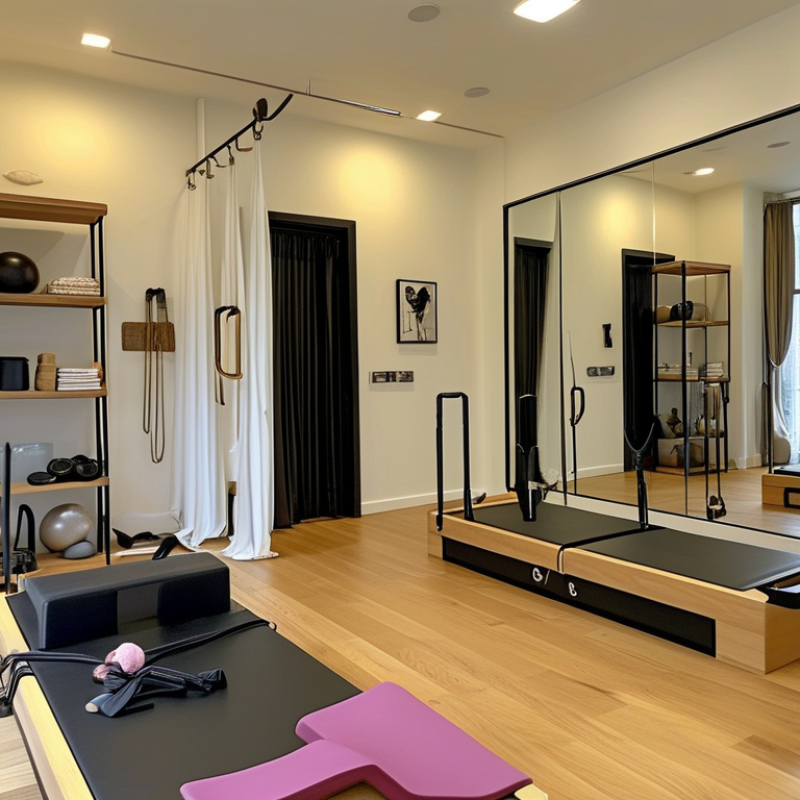
When selecting Pilates equipment for your studio, understanding the various types available is crucial. You have the reformer, which is versatile and great for resistance training. Machines like the reformer allow for a range of exercises that cater to different levels. Using a reformer can improve strength and flexibility among clients of all ages.
Another popular option is the Pilates mat. It is essential for mat classes and provides a solid foundation for core workouts. While mats are budget-friendly, their effectiveness relies on proper technique. Many beginners struggle without guidance. This points to the importance of having experienced instructors in your studio.
Don't overlook smaller equipment like resistance bands and stability balls. They are great for adding variety. However, incorporating too many types can overwhelm clients. Balance is key. It's vital to evaluate how each piece of equipment aligns with your clients' needs and your studio's vision. Achieving a well-rounded selection may take time and adjustments.
Popular Types of Pilates Equipment in Studios
Assessing the Space and Layout for Your Pilates Studio
Designing a Pilates studio begins with understanding your space and layout. Measure your area carefully. Consider how much room each piece of equipment needs. Every square foot should encourage movement and flow. You want your clients to feel comfortable, while ensuring they can access the equipment without crowding.
When planning your layout, think about visibility and accessibility. Place larger equipment in positions that are easy to see and reach. Ensure that equipment doesn't block pathways. Think about how clients move through the space during sessions. Are there enough open areas for floor work? Is there a designated spot for personal belongings?
Reflect on how the arrangement feels. Sometimes, what seems functional in theory may not work in practice. Invite feedback from instructors and clients. They may offer insights that improve your studio's usability. In the end, a well-thought-out space enhances the overall Pilates experience.
How to Choose the Best Pilates Equipments for Your Studio?
| Equipment Type | Space Required (sq ft) | Recommended Layout | Usage Level |
| Reformer | 25 | Linear or Circle | High |
| Cadillac | 30 | Open Space | Medium |
| Chair | 15 | Compact Area | Low |
| Barrels | 20 | Corner Space | Medium |
| Mat | 5 | Any Area | High |
Identifying Your Target Audience and Their Equipment Needs
Identifying your target audience is crucial when selecting Pilates equipment for your studio. According to a report by IBISWorld, the Pilates industry is projected to grow by 6.1% annually. This growth indicates a rising interest among varied demographics, including both seasoned practitioners and newcomers. Understanding who your clients are can help guide your equipment choices.
For beginners, consider lighter, user-friendly options. Resistance bands or small Pilates balls can be ideal. They provide support while easing new clients into routines. Experienced practitioners may seek more advanced equipment, like reformers or barrel systems. Balancing the needs of all levels will enhance your studio's appeal.
Tip: Conduct surveys to determine what potential clients desire. You might discover a push for specific classes that cater to niche markets. Also, ensure your equipment is versatile. Items that adapt to various exercises can maximize your investment. Flexibility in equipment will cater to diverse fitness goals, enhancing client satisfaction.
Evaluating Quality and Durability of Pilates Equipment Brands
When selecting Pilates equipment for your studio, evaluating the quality and durability of brands is crucial. High-quality equipment withstands the rigors of daily use. Check materials and craftsmanship. Steel frames provide strength, while durable fabrics resist wear and tear. Equipment with a solid reputation may offer a better investment over time.
Consider customer reviews and testimonials. These provide insight into reliability. Some brands may appear appealing but may lack proper testing or quality control. If possible, visit a studio that uses the equipment you are considering. Experience the feel and performance firsthand.
Regular maintenance is essential for longevity. Inspect equipment frequently for signs of wear. Quality materials simplify maintenance efforts. Sometimes, more expensive options prove more cost-effective in the long run. Balance cost with expected lifespan. Look for warranties that reflect the manufacturer’s confidence in their product.
Budgeting for the Initial Investment in Pilates Equipment Essentials
When budgeting for Pilates equipment, it's crucial to understand the initial investment required. Reports indicate that a fully equipped studio needs approximately $15,000 to $50,000. This range largely depends on the quality and quantity of the equipment purchased. Investing in higher-quality items typically reduces maintenance costs over time, which can be a long-term saving.
In selecting essential items, consider what beginners usually need. Balanced and versatile equipment, such as reformers and mats, are fundamental. It’s estimated that around 60% of studios prioritize purchasing reformers first. However, opting for mid-range priced options might save initial costs, but could affect durability. Collect feedback from experienced instructors to assess the potential longevity of various equipment choices.
Reflect on how your budget aligns with your business model. Are you planning to attract high-end clients? If so, investing more upfront in premium equipment might make sense. Conversely, prioritize essentials, and expand as your client base grows. Be prepared for these evolving needs, as the studio's popularity can dictate future investments.