10 Best Advances in Knee Replacement Technology You Should Know?

Knee replacement surgery has evolved significantly in recent years. These improvements have made surgery safer and more effective. With the rise of knee replacement advances, patients now have better options than ever.

Innovations like robotic-assisted surgery and advanced materials are transforming outcomes. Patients experience less pain and quicker recoveries. Hospitals are adopting these technologies to optimize surgical precision. However, not all innovations are perfect. Some may not be suitable for every patient, prompting discussions about individual needs.

As technology progresses, understanding these advances becomes crucial. Patients must weigh the benefits and potential risks. Open communication with healthcare providers is essential. Together, they navigate the complexities of modern knee replacement options.
10 Best Advances in Knee Replacement Technology You Should Know?

Overview of Knee Replacement Technology Advancements
10 Best Advances in Knee Replacement Technology You Should Know?

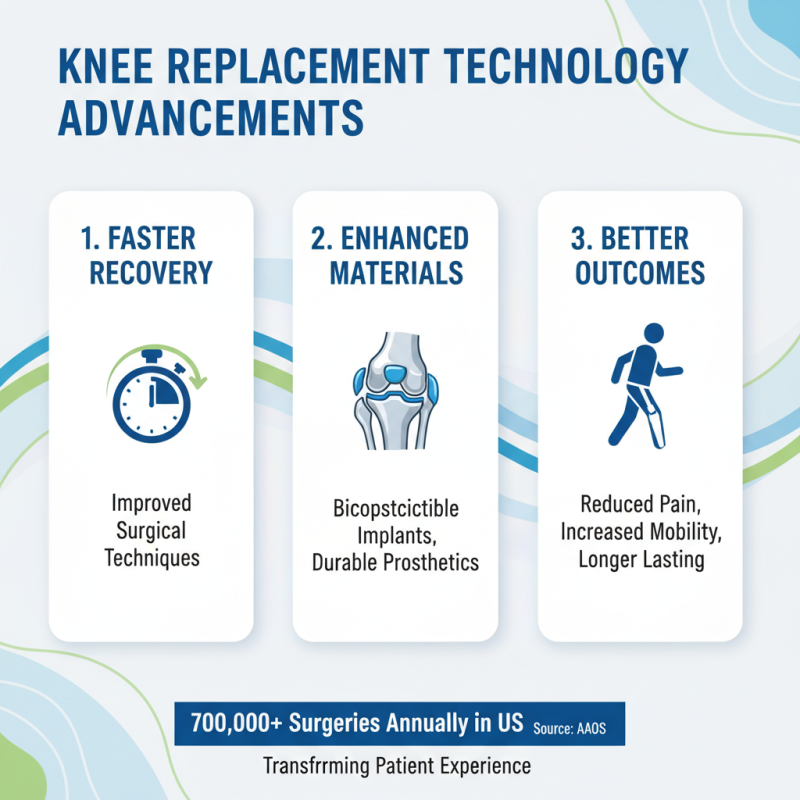
Recent advancements in knee replacement technology have transformed the experience of patients. According to the American Academy of Orthopaedic Surgeons, more than 700,000 knee replacement surgeries are performed each year in the U.S. alone. With innovations in materials and surgical techniques, recovery times and outcomes are significantly improved.

One major advancement is the introduction of robotic-assisted surgery. This technology enhances precision in surgical procedures, leading to better alignment and stability of the knee implant. Studies show that patients often experience less pain and a shorter hospital stay, with a 32% increase in satisfaction rates post-surgery. However, the costs associated with robotic systems can be a barrier for some hospitals and patients.

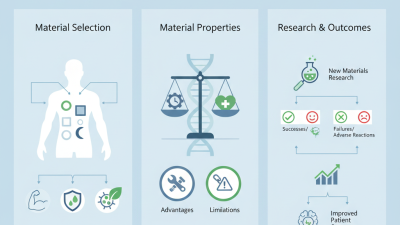
Another promising area is the development of new biomaterials for implants. These materials aim to reduce wear and tear, extending the life of prosthetics. A report from the Journal of Arthroplasty indicates that these innovations can lower revision rates by up to 20%. Yet, the long-term performance of these newer materials remains under evaluation, raising questions about their durability and the potential need for future surgeries. These advancements show promise but also highlight the need for continuous assessment in this evolving field.
Minimally Invasive Surgical Techniques for Knee Replacement

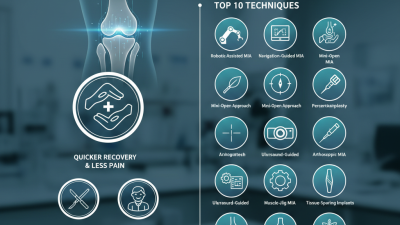
Minimally invasive surgical techniques for knee replacement have gained popularity due to their numerous benefits. These methods allow surgeons to operate through small incisions. The reduced incision size often leads to less tissue damage. Consequently, patients typically experience less pain after surgery. Recovery times can be significantly shortened. Hospital stays are also often lessened with these techniques.


Surgeons utilize advanced imaging and robotic assistance for precision. This technology helps in planning the surgery accurately. With more precision, there is less risk of complications during the procedure. Patient outcomes are generally improved, leading to enhanced mobility post-surgery. However, not all patients are candidates for minimally invasive techniques. Certain conditions may restrict the use of these methods.


Despite these advancements, there are still factors to consider. Surgeons need to assess the patient's overall health. Individual anatomy can affect surgical choices. There remains a learning curve associated with these innovative techniques. Surgeons must gain experience to ensure optimal results. Each patient's journey is unique, and open discussions about techniques are crucial.

Innovations in Implant Materials and Designs

Recent advancements in knee replacement technology have transformed patient outcomes. Innovations in implant materials and designs focus on enhancing longevity and functionality. Traditional implants often faced wear and tear, leading to complications. Modern materials like cross-linked polyethylene offer improved resistance to wear. According to a report by the American Academy of Orthopaedic Surgeons, over 90% of knee replacements last more than 15 years, thanks to these advancements.

New designs, such as patient-specific implants, tailor the procedure to individual anatomy. This customization can reduce recovery time and improve mobility. A study published in the Journal of Bone and Joint Surgery noted that personalized implants decreased the need for revision surgeries by 20%. However, challenges remain. These technologies can be cost-prohibitive for some healthcare systems. Access to these innovations varies greatly by region and hospital.

Biocompatible materials are becoming more popular. They reduce inflammation and promote faster healing. Yet, the long-term effects of some newer materials are still under scrutiny. The evolution of knee replacement technology is promising but requires continuous research to address limitations in access and durability.

10 Best Advances in Knee Replacement Technology You Should Know

Advancement Description Benefits Material/Design
3D-Printed Implants Customizable implants tailored to individual anatomy. Improved fit, reduced recovery time. Titanium and polymer composites.
Robotic-Assisted Surgery Precision tools that enhance surgical techniques. Higher accuracy, minimally invasive. N/A
Smart Implants Implants embedded with sensors for real-time analysis. Enhanced patient monitoring, predictive analytics. Polymer with electronic components.
Cross-Linked Polyethylene Enhanced durability of the bearing surface in implants. Reduced wear and tear, longer implant lifespan. Polyethylene.
Minimally Invasive Techniques Surgical approaches that minimize tissue damage. Quicker recovery, less pain post-surgery. N/A
Personalized Implants Implants designed based on CT/MRI scans. Optimized fit and function. Biocompatible materials.
Improved Cementing Techniques Advanced methods for securing implants in place. Increased stability and longevity of implants. Specialized bone cements.
Advanced Bearing Surfaces New materials that reduce friction. Decreased wear rates and enhanced comfort. Ceramics and advanced polymers.
Dual Mobility Implants Design to increase range of motion and stability. Lower dislocation rates. Metal-on-metal or ceramic-on-ceramic.

Computer-Assisted Surgery and Robotics in Knee Replacement

Computer-assisted surgery and robotics are revolutionizing knee replacement procedures. These advanced technologies enhance precision during surgeries. A study in the Journal of Orthopaedic Research indicates that robot-assisted surgeries can reduce misalignment by up to 80%. This leads to better outcomes and longer-lasting implants for patients.

The integration of robotics minimizes human error and optimizes patient-specific anatomy. Robots provide real-time feedback to surgeons, helping ensure accuracy. Interestingly, a significant percentage of surgeons reported improved confidence when using robotic assistance. This confidence may contribute to shorter recovery times for patients.

Tips: When considering knee replacement, discuss the possibility of robotic assistance with your surgeon. Understanding the technology can improve your comfort with the procedure. Additionally, inquire about the surgeon's experience with robotic systems. Their expertise can greatly influence the success of the surgery. Remember, while these advancements are promising, they are part of an evolving field that continually requires feedback and adaptation.

Advancements in Knee Replacement Technology

Patient-Specific Approaches and Customization in Knee Implants

10 Best Advances in Knee Replacement Technology You Should Know?

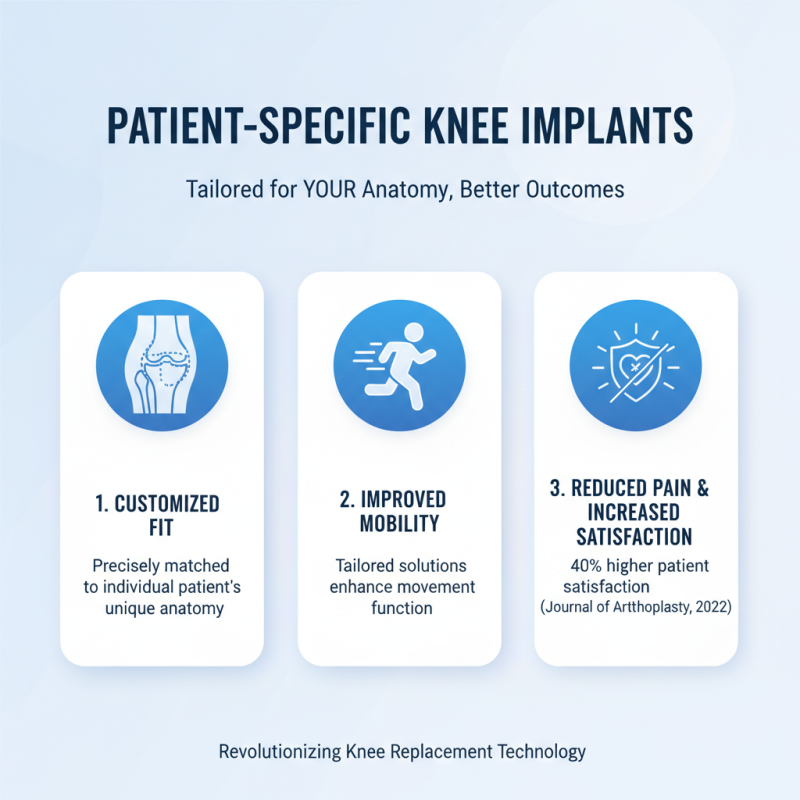
Patient-specific approaches in knee replacement technology have revolutionized treatment options. Customization ensures implants fit individual anatomy. A 2022 study published in the Journal of Arthroplasty found that personalized knee implants improved patient satisfaction by 40%. Tailored solutions lead to better mobility and reduced postoperative pain.

Tips: Discuss with your surgeon about custom options for your knee replacement. Understanding your needs makes a difference.

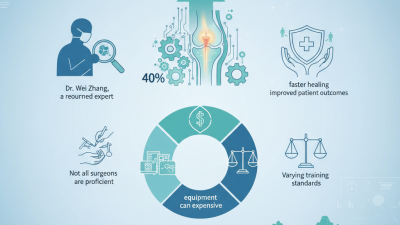
Despite advancements, challenges persist. Not all patients qualify for custom implants due to specific conditions or anatomy. Moreover, integrating new technologies can increase surgery costs. Balancing affordability and innovation is vital.

Tips: Research various surgeon profiles and their techniques. A knowledgeable surgeon will guide you through your options. Always ask about potential drawbacks and benefits.