
2026 Best Beet Root Juice Powder Suppliers for Bulk?
Sourcing Beet Root Juice Powder in bulk requires more than comparing price lists. In 2026, buyers need dependable suppliers, consistent specifications, and evidence behind every quality claim. This guide examines manufacturers and distributors serving food, beverage, supplement, and functional nutrition businesses. It focuses on practical details, including beet origin, juice extraction, spray-drying methods, solubility, color strength, and batch consistency.
Quality begins with documentation. Serious suppliers should provide current Certificates of Analysis, pesticide screening, heavy metal results, microbiological testing, and allergen statements. Buyers should also confirm whether the powder contains carriers, added sugar, artificial color, or standardized nitrate levels. A bright red sample may look impressive, yet appearance alone proves very little. Ask for a sample first. Then test it in the intended formula.
Supplier reliability matters just as much. Evaluate production capacity, minimum order quantities, lead times, packaging, storage conditions, and export experience. Certifications such as HACCP, ISO, GMP, organic, or non-GMO may support a stronger purchasing decision, but certification names still require verification. Some suppliers communicate well before payment and respond slowly afterward. That warning sign is easy to overlook.
No supplier is perfect. Even strong companies may face seasonal beet variation, shipping delays, or occasional batch differences. The best choice balances transparent records, technical support, fair pricing, and realistic delivery commitments. This overview offers a practical starting point for comparing the 2026 best Beet Root Juice Powder suppliers for bulk purchasing.
What Is Beet Root Juice Powder and Why Buy It in Bulk?
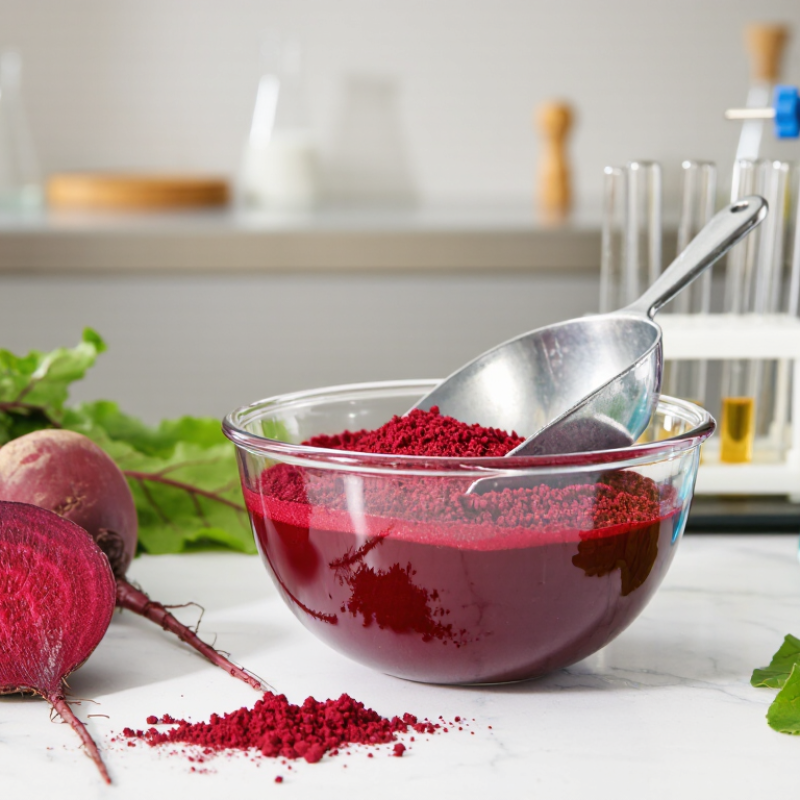
Beet root juice powder is made by extracting juice from beets and drying it into a concentrated powder. It usually contains natural pigments called betalains, minerals, and varying levels of nitrate. The final profile depends on beet variety, growing conditions, processing temperature, and storage. Color alone is not proof of quality.
Bulk purchasing can support beverage mixes, nutrition products, bakery formulas, and foodservice production. It may reduce packaging waste and lower the cost per kilogram. However, bulk is not automatically cheaper. A buyer should compare concentration, yield, shipping, storage, and testing costs. That calculation is often overlooked.
Reliable suppliers for 2026 should provide a clear certificate of analysis, batch identification, origin records, and microbiological testing. Ask for moisture content, solubility data, pesticide screening, and allergen statements. A small sample can reveal clumping, earthy flavor, or weak color before a large order arrives. Packaging also matters; lined bags or sealed drums help protect the powder from humidity and light. In practice, consistent batches are more valuable than a dramatic first sample. Specifications may still need adjustment after production trials. That is normal. A careful procurement team should review lead times, minimum order quantities, recall procedures, and storage guidance before signing a supply agreement.
How to Define Your 2026 Bulk Supplier Requirements
2026 Best Beet Root Juice Powder Suppliers for Bulk?
How to Define Your 2026 Bulk Supplier Requirements
A reliable bulk supplier starts with a clear product brief, not a long vendor list. Define beet root juice powder by beet variety, juice concentration, drying method, color range, flavor, moisture, and solubility. Specify whether you need a clean-label formula, added carriers, or no added ingredients. Small details affect blending, packaging, and customer acceptance.
Request recent certificates of analysis for every production lot. Check nitrate content, microbiological results, heavy metals, pesticides, moisture, and identity testing. Ask how samples are collected and which laboratories perform the analysis. A certificate without traceable testing is only paperwork. Include batch records, country-of-origin details, allergen statements, and shelf-life data in your requirements.
Your 2026 supplier review should also measure practical performance. Set target minimum order quantities, lead times, pallet formats, packaging barriers, and storage conditions. Confirm how the supplier handles damaged bags, specification changes, and delayed shipments. An on-site or remote quality audit can reveal more than a polished sales presentation. We once focused too heavily on price and underestimated seasonal supply changes. That mistake changed our evaluation process.
Do not ignore communication. Require a named technical contact, sample timelines, and written responses to deviations. Trial orders should test color consistency, odor, dispersion, and performance in your actual formula. A supplier may meet the specification on paper but fail during production. Build room for adjustment, because your first requirement list may not be perfect.
How to Evaluate Beet Root Juice Powder Quality and Safety
2026 Best Beet Root Juice Powder Suppliers for Bulk?
Quality starts with the raw beet roots, not the finished bag. Ask suppliers about growing regions, harvest dates, and drying temperatures. Lower heat may help protect color and certain nutrients, but processing claims need evidence. Request a recent certificate of analysis for every production batch. It should identify nitrate content, moisture, microbiological results, heavy metals, pesticide residues, and relevant allergens. Generic certificates are weak evidence.
Look for clear testing methods and accredited laboratories. Confirm whether the powder is pure beet juice or contains carriers, sweeteners, or added coloring. The label should match the specification sheet exactly. Check particle size, solubility, odor, and color using a retained sample. Bright red powder can look impressive. It proves little. I have found that clumping often reveals moisture exposure, although it is not a complete safety test.
Reliable bulk suppliers maintain lot numbers, sealed packaging, and documented storage conditions. Ask how they prevent contamination during filling and transport. Verify shelf-life data, not only a printed expiration date. Supplier experience matters, but transparent records matter more. A confident sales answer cannot replace traceability. I would also compare two or three batches before committing to a large order. Results may vary more than expected. That uncertainty deserves attention.
Which Certifications Should Reliable Suppliers Provide?
For 2026 bulk beet root juice powder sourcing, certifications should be verified before comparing price, color, or nitrate content.
ISO 22000 or FSSC 22000 shows that a supplier operates a documented food safety management system. HACCP evidence should identify risks across washing, drying, milling, and packing.
This matters because the World Health Organization reports that contaminated food causes about 600 million illnesses and 420,000 deaths each year.
Look for current GMP certification, with an audit scope covering the actual production site. Organic certification should come from an accredited body under the relevant market’s organic rules, such as USDA or EU requirements. Non-GMO documentation may also support buyer specifications, but it should identify the verification method.
A certificate alone is not enough. Ask for recent audit dates, scope statements, corrective-action records, and traceability exercises.
Each bulk lot should include a clear certificate of analysis.
It should report moisture, microbiological counts, heavy metals, pesticides, identity, and nitrate levels where applicable. The Codex General Principles of Food Hygiene, revised by FAO and WHO, supports documented controls and traceability throughout the food chain.
I would also request independent laboratory results, not only internal testing. Supplier claims can look polished. Small gaps remain common, especially with harvest variability and color changes after storage. The strongest suppliers explain those limits plainly, retain samples, and show how one pallet can be traced back to its farm, batch, and processing record.
How to Compare Pricing, Logistics, and Supply Terms
For 2026 bulk beet root juice powder sourcing, price should be measured beyond the quoted kilogram rate. Ask whether the offer includes processing, packaging, testing, and export documentation. Compare the landed cost at your warehouse, not the factory gate. A lower price may hide higher freight, duties, or unusual minimum order quantities.
Request a current specification sheet and a batch-specific certificate of analysis. Check juice concentration, moisture, microbiological limits, heavy metal results, color consistency, and shelf life. Reliable suppliers should explain their testing methods and provide traceable lot numbers. Small details matter. A damaged inner liner can ruin an otherwise compliant shipment.
Logistics also shape supply security. Review production lead time, dispatch windows, pallet dimensions, storage conditions, and temperature exposure during transit. Confirm the delivery term, insurance responsibility, and documents required by your importing country. Supply terms deserve equal attention. Clarify payment stages, forecast commitments, tolerance for quantity changes, and procedures for rejected batches. Longer contracts may improve pricing, but they can reduce flexibility when demand shifts.
A comparison spreadsheet helps, though it is never perfect. I would score each supplier for cost, documentation quality, response speed, and delivery history. Then test a small commercial order before committing to annual volume. One missed delivery can cost more than a modest price difference. Real performance often appears after the purchase order, not during the sales call.
2026 Bulk Beet Root Juice Powder Supplier Benchmarks
Indicative market benchmarks for comparing price, logistics, and supply terms by order volume
Larger orders generally reduce the indicative price from about $18/kg at 100 kg to approximately $9.50/kg at 5,000 kg.
Standard production and export lead times commonly range from 18 to 35 days, excluding customs clearance and ocean transit.
Typical bulk terms include a 100–500 kg MOQ, 24-month shelf life, and payment structures such as 30% deposit with balance before shipment.
Benchmarks are indicative purchasing references for bulk beet root juice powder and should be confirmed against current quotations, specifications, Incoterms, certifications, and destination-country requirements.
